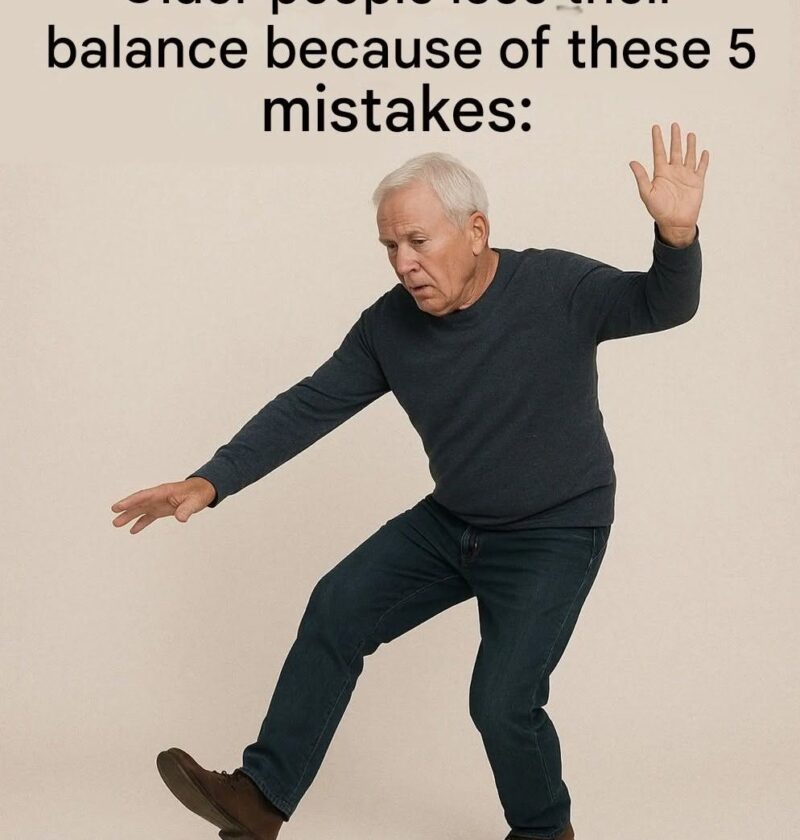
Losing balance as we age is often due to multiple factors, many of which can be addressed. Rather than “mistakes,” it’s more accurate to think of them as common risk factors or habits that increase the likelihood of falls.
Here are five common ones:
- Being less physically active
- Reduced activity can lead to weaker leg muscles, poorer balance, and slower reaction times.
- Balance exercises, strength training, and activities like walking or tai chi can help maintain stability.
- Not reviewing medications
- Some medications—or combinations of them—can cause dizziness, drowsiness, or low blood pressure.
- This is especially true for certain sleep medications, sedatives, some blood pressure medicines, and medications with anticholinergic effects.
- A healthcare provider or pharmacist can review medications if balance problems develop.
- Ignoring vision or hearing changes
- Poor vision makes it harder to detect obstacles and judge distances.
- Hearing and inner ear problems can also affect balance.
- Regular eye exams and evaluation of new hearing or dizziness symptoms are important.
- Wearing unsuitable footwear
- Shoes that are loose, have slippery soles, or have very high heels can increase the risk of slipping or tripping.
- Well-fitting shoes with non-slip soles generally provide better stability.
- Not addressing health conditions that affect balance
- Conditions such as diabetes (especially with nerve damage), arthritis, Parkinson’s disease, stroke, inner ear disorders, and low blood pressure can all contribute to balance problems.
- Treating these conditions and using mobility aids when recommended can reduce fall risk.
Additional ways to reduce fall risk
- Remove tripping hazards such as loose rugs and electrical cords.
- Ensure good lighting throughout the home, especially on stairs.
- Install grab bars in bathrooms and handrails on stairways if needed.
- Stay hydrated, as dehydration can contribute to dizziness.
- Have your feet checked if you have pain, numbness, or difficulty walking.
When to seek medical attention
If balance problems are new, worsening, or accompanied by weakness, numbness, severe dizziness, difficulty speaking, chest pain, or repeated falls, it’s important to seek prompt medical evaluation. These symptoms can sometimes indicate a condition that needs urgent treatment.
The good news is that many causes of balance problems are treatable, and targeted exercise, medication review, vision care, and home safety measures can significantly reduce the risk of falls.