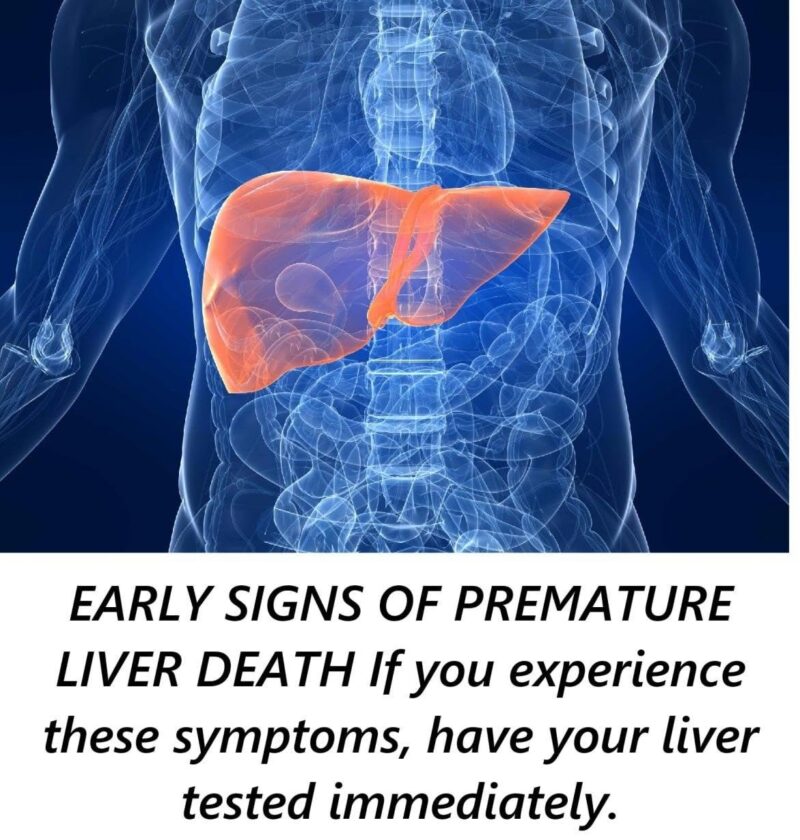
Many articles with titles like “Your Liver Might Disagree… Don’t Ignore These 12 Hidden Warning Signs!” use dramatic language, but it’s true that some liver conditions can develop gradually and produce subtle symptoms. Here’s a detailed overview.
12 Possible Warning Signs of Liver Problems
1. Persistent Fatigue
Feeling unusually tired or lacking energy can occur with various liver diseases. The liver plays a major role in metabolism, and impaired function can contribute to fatigue.
2. Yellowing of the Skin or Eyes (Jaundice)
Jaundice causes the skin and whites of the eyes to turn yellow when bilirubin builds up in the body.
3. Dark Urine
Urine that appears dark amber or brown despite adequate hydration may be related to elevated bilirubin levels.
4. Pale or Clay-Colored Stools
Reduced bile flow can cause stools to become unusually pale, gray, or clay-colored.
5. Abdominal Pain or Discomfort
Pain or a feeling of fullness in the upper right side of the abdomen may occur when the liver is enlarged or inflamed.
6. Swelling of the Abdomen
Fluid accumulation in the abdomen, known as ascites, can occur in advanced liver disease.
7. Unexplained Itching
Persistent itching without an obvious skin condition may result from bile salts accumulating in the body.
8. Easy Bruising or Bleeding
The liver produces proteins involved in blood clotting. When liver function declines, bruising and bleeding can occur more easily.
9. Loss of Appetite
A reduced desire to eat can accompany many liver disorders, particularly chronic disease.
10. Nausea and Digestive Problems
Some people experience nausea, indigestion, bloating, or general digestive discomfort.
11. Swelling in the Legs and Ankles
Fluid retention may cause noticeable swelling in the lower extremities.
12. Mental Confusion or Memory Problems
In severe liver dysfunction, toxins can accumulate in the bloodstream and affect brain function, causing confusion, forgetfulness, or difficulty concentrating.
Common Causes of Liver Disease
Several conditions can affect the liver:
- Nonalcoholic Fatty Liver Disease (often associated with obesity, diabetes, or metabolic syndrome)
- Alcohol-related liver disease
- Hepatitis B
- Hepatitis C
- Autoimmune liver diseases
- Certain medications and toxins
- Genetic disorders affecting liver function
Risk Factors
You may have a higher risk if you:
- Have obesity or excess abdominal fat
- Have type 2 diabetes
- Consume significant amounts of alcohol
- Have a family history of liver disease
- Have viral hepatitis
- Take medications that can affect the liver
How Liver Problems Are Diagnosed
Doctors may use:
- Liver function blood tests
- Ultrasound imaging
- CT or MRI scans
- Specialized blood tests
- In some cases, a liver biopsy
Supporting Liver Health
While no food or supplement can “detox” the liver, these evidence-based habits help support liver health:
- Maintain a healthy weight
- Exercise regularly
- Limit or avoid alcohol
- Eat a balanced diet rich in vegetables, fruits, whole grains, and lean proteins
- Avoid unnecessary supplements or medications
- Get vaccinated against Hepatitis B when appropriate
- Follow medical advice for diabetes, high cholesterol, and other chronic conditions
When to Seek Medical Attention
Contact a healthcare professional promptly if you develop:
- Yellowing of the eyes or skin
- Significant abdominal swelling
- Vomiting blood
- Black, tarry stools
- Severe confusion
- Persistent unexplained fatigue accompanied by other symptoms
It’s important to remember that many of these symptoms can be caused by conditions unrelated to the liver. The only reliable way to determine whether your liver is healthy is through appropriate medical evaluation and testing rather than symptom checklists alone.