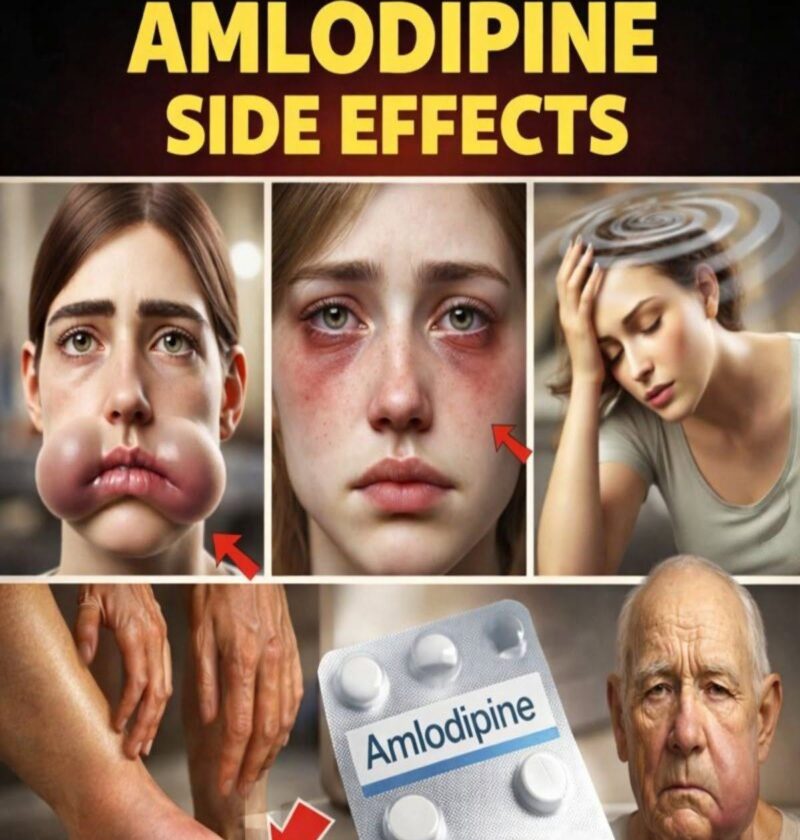
12 Things You Should Avoid While Taking Amlodipine
Amlodipine is a commonly prescribed medication used to help control high blood pressure (hypertension) and certain types of chest pain (angina). It works by relaxing blood vessels, making it easier for the heart to pump blood.
While taking amlodipine, being aware of certain habits, foods, and medications can help reduce side effects and keep treatment effective.
1. Avoid Stopping Amlodipine Suddenly
Do not stop taking amlodipine without speaking with your healthcare professional. Stopping suddenly may allow blood pressure to rise again or worsen heart-related symptoms.
2. Avoid Excessive Alcohol
Alcohol may increase the blood-pressure-lowering effect of amlodipine and may worsen side effects such as:
- Dizziness
- Lightheadedness
- Sleepiness
3. Be Careful With Grapefruit
Unlike some other blood pressure medicines, grapefruit is not considered a major interaction with amlodipine for most people. However, if you have been advised to avoid grapefruit because of other medicines you take, follow that advice.
4. Avoid Taking More Than Prescribed
Taking extra doses can cause blood pressure to drop too low, leading to:
- Dizziness
- Fainting
- Weakness
5. Be Careful When Standing Up Quickly
Amlodipine can sometimes cause dizziness, especially when starting treatment or after dose changes. Rise slowly from sitting or lying positions.
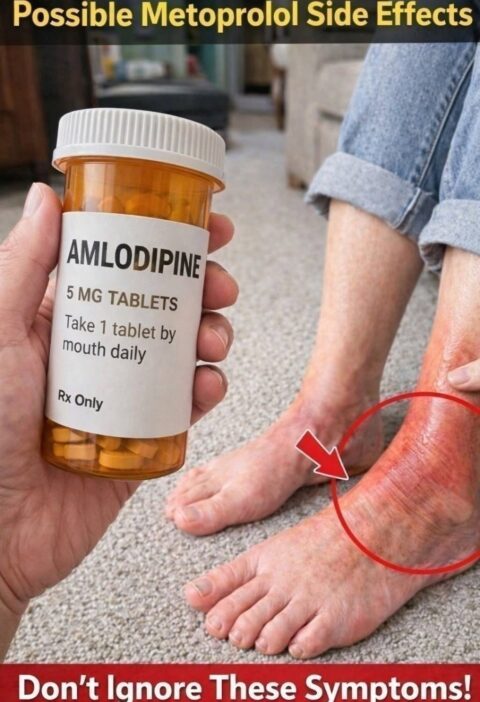
6. Avoid Ignoring Swelling in Your Legs or Ankles
A common side effect is swelling (edema), especially around the ankles. Inform your healthcare professional if it becomes severe or uncomfortable.
7. Avoid Dehydration
Not drinking enough fluids, especially during hot weather or illness, may increase the chance of feeling dizzy or weak.
8. Be Careful With Other Blood Pressure Medicines
Combining medications that lower blood pressure may cause your pressure to drop too much. Always tell your healthcare professional about all medicines and supplements you use.
9. Avoid Certain Drug Interactions Without Medical Advice
Some medicines can affect how your body processes amlodipine or increase side effects. Always check before adding:
- New prescription medicines
- Over-the-counter drugs
- Herbal supplements
10. Avoid Ignoring Regular Blood Pressure Checks
Amlodipine may control blood pressure without noticeable symptoms. Regular monitoring helps confirm that treatment is working.
11. Avoid Excessive Salt Intake
While amlodipine helps lower blood pressure, a high-salt diet can make blood pressure harder to control.
12. Avoid Smoking
Smoking damages blood vessels and increases cardiovascular risk, making blood pressure management more difficult.