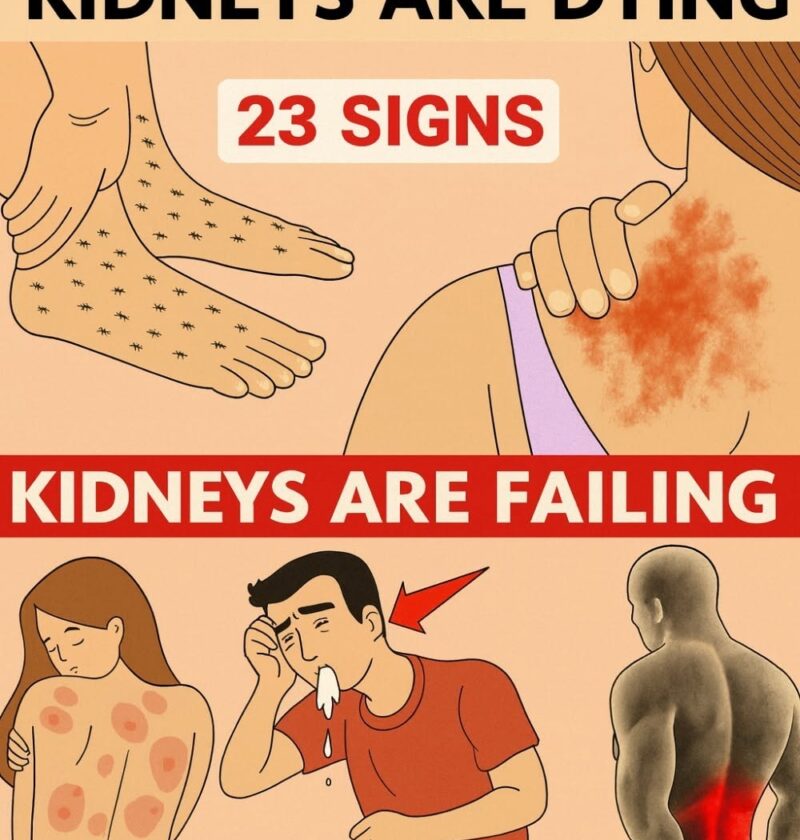
⚠️ 23 Strange Signs Your Kidneys Might Be in Trouble
The headline sounds alarming, but early kidney disease often causes no symptoms at all. That’s why blood and urine testing is much more reliable than trying to diagnose kidney problems from a list of symptoms. (NIDDK)
As kidney disease becomes more advanced, possible symptoms include:
- Swelling in the ankles, feet or legs
- Puffiness around the eyes or face
- Foamy or unusually bubbly urine
- Blood in the urine
- Changes in how often you urinate
- Needing to urinate more often at night
- Persistent fatigue
- Weakness
- Difficulty concentrating
- Sleep problems
- Loss of appetite
- Nausea
- Vomiting
- Unexplained weight loss
- Itchy skin
- Very dry skin
- Numbness or tingling
- Muscle cramps
- Shortness of breath
- Chest discomfort or pain
- Worsening swelling or fluid retention
- Changes in taste, including a metallic taste
- Confusion or unusual drowsiness in severe disease. (NIDDK)
🩺 The important catch
None of these symptoms proves that your kidneys are failing. Fatigue, cramps, itching, swelling and nighttime urination have many possible causes.
The strongest risk factors for chronic kidney disease include diabetes, high blood pressure, cardiovascular disease and a family history of kidney failure. (NIDDK)
How do you actually check your kidneys?
Two key tests are:
- Blood test: creatinine/eGFR, which estimates how well the kidneys filter blood.
- Urine test: urine albumin-to-creatinine ratio (UACR), which looks for protein leaking into the urine. (NIDDK)
A UACR above 30 mg/g may indicate kidney damage, while an eGFR persistently below 60 may indicate reduced kidney function. Results generally need to be interpreted over time rather than from a single isolated measurement. (NIDDK)
Bottom line: Don’t wait for “23 warning signs.” If you have diabetes, high blood pressure, heart disease, or a family history of kidney failure, ask about regular kidney testing—even if you feel completely well. (NIDDK)