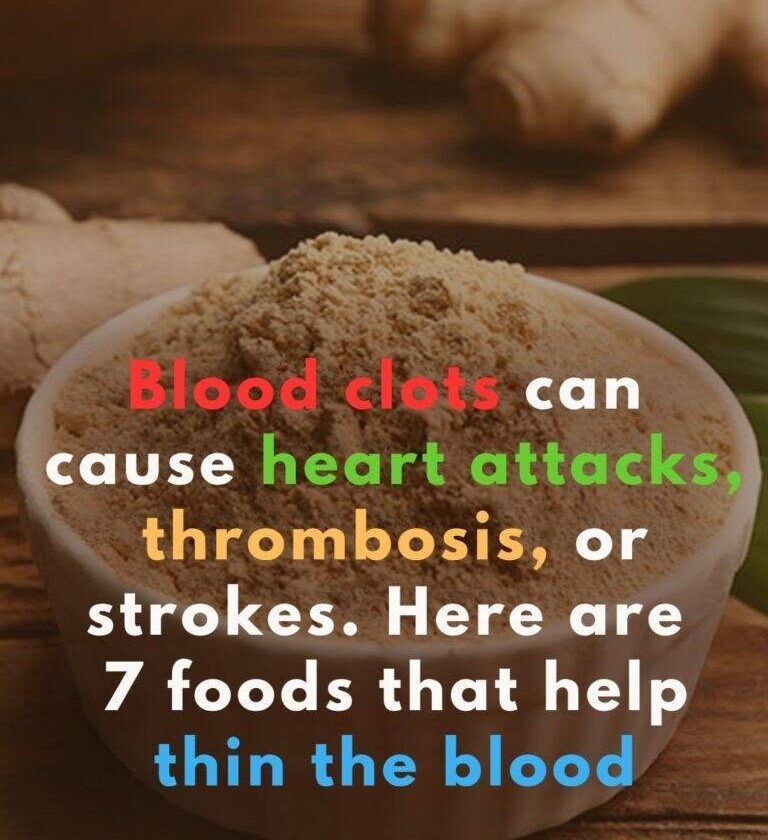
The phrase “7 powerful blood-thinning foods” is often used in health posts, but foods do not work like prescription blood thinners and should not be relied on to prevent or treat blood clots. Some foods contain compounds that may support healthy circulation and heart health, but the effects are usually much milder than medicines.
Foods often discussed in relation to healthy blood flow include:
- Fatty fish (salmon, sardines, mackerel)
- Rich in omega-3 fatty acids, which support cardiovascular health.
- Garlic
- Contains sulfur compounds that may have mild effects on platelet activity and blood vessel health.
- Ginger
- Contains compounds that may influence inflammation and platelet function.
- Turmeric
- Curcumin has anti-inflammatory properties, though the amount absorbed from food can vary.
- Berries (blueberries, strawberries, raspberries)
- Rich in plant compounds associated with blood vessel health.
- Leafy green vegetables
- Provide nutrients that support overall cardiovascular health.
- Important: If you take warfarin or another vitamin K–sensitive blood thinner, keep vitamin K intake consistent and discuss diet changes with your clinician.
- Nuts and seeds (walnuts, flaxseed, chia seeds)
- Provide healthy fats and fiber that support heart health.
Important safety note
If you take blood-thinning medication (such as warfarin, apixaban, rivaroxaban, or others), do not suddenly add large amounts of “blood-thinning” foods or supplements without checking with your healthcare provider. Some foods and herbal products can affect bleeding risk or medication effectiveness.
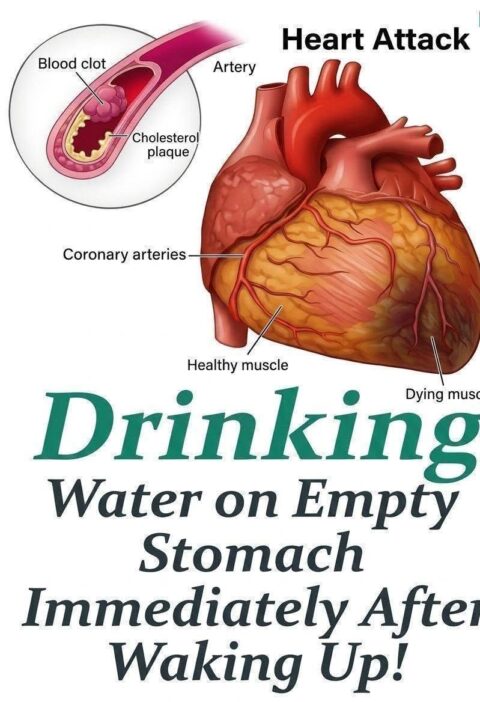
For reducing clot risk, the biggest proven steps are managing blood pressure, cholesterol, diabetes, staying active, avoiding smoking, and following prescribed treatments.