7 Warning Signs in Your Arms and Legs That Could Signal a Heart Attack
A heart attack usually causes chest pain or pressure, but some people—especially women, older adults, and people with diabetes—may have less typical symptoms.
Pain or unusual sensations in the arms or legs do not automatically mean a heart attack, but some symptoms deserve immediate attention.
1. Pain spreading to one or both arms
- Discomfort may start in the chest and spread to the left arm, right arm, shoulders, neck, jaw, or back.
- Some people feel aching, heaviness, or pressure instead of sharp pain.
2. Unexplained arm numbness or weakness
- Arm symptoms accompanied by chest discomfort, sweating, or shortness of breath are more concerning than arm symptoms alone.
3. Shoulder pain
- Pain in the shoulder—especially if it occurs with chest pressure or nausea—can be a symptom of a heart attack.
4. Cold, clammy skin
- Sweating and cool skin together with chest or arm discomfort can occur during a heart attack.
5. Shortness of breath with arm discomfort
- Difficulty breathing, especially with chest or arm pain, requires urgent evaluation.
6. Pain during physical activity that improves with rest
- This pattern may be angina, a sign that the heart is not getting enough blood. It should be assessed by a healthcare professional.
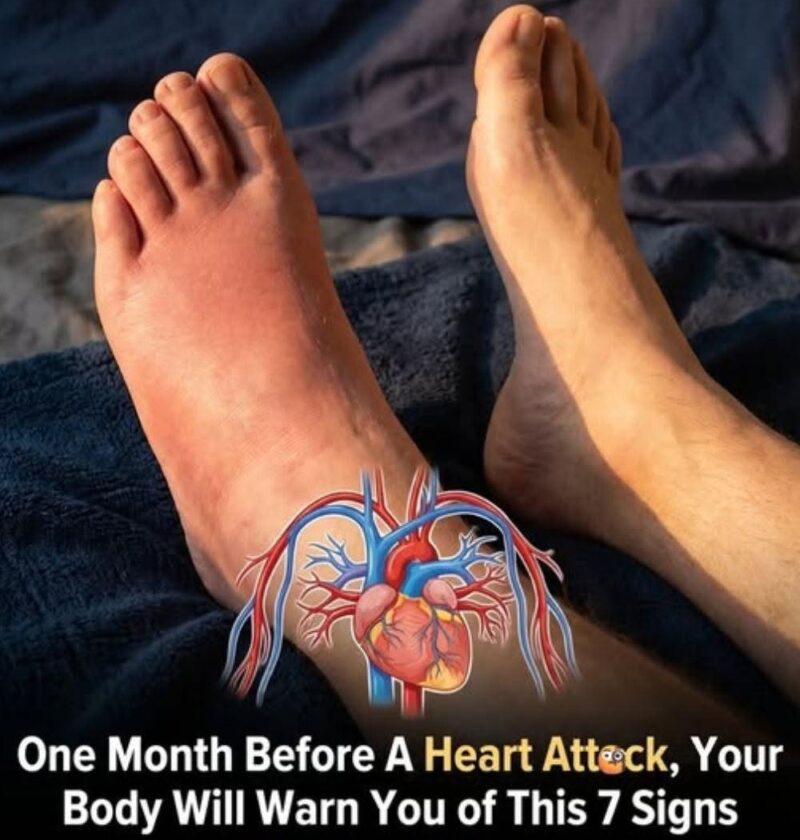
7. Swelling in the legs
- Leg swelling is not a typical sign of a heart attack, but it can be associated with heart failure, blood clots, or other medical conditions and should not be ignored if new or severe.
Call emergency services immediately if you have:
- Chest pain, pressure, or tightness lasting more than a few minutes
- Pain spreading to the arm, shoulder, neck, jaw, or back
- Shortness of breath
- Cold sweats
- Nausea or vomiting
- Fainting or severe dizziness
Remember
Many conditions—such as muscle strain, arthritis, pinched nerves, or poor circulation—can also cause arm or leg symptoms. However, if arm pain occurs together with chest discomfort, shortness of breath, or other heart attack symptoms, treat it as a medical emergency rather than waiting to see if it goes away.