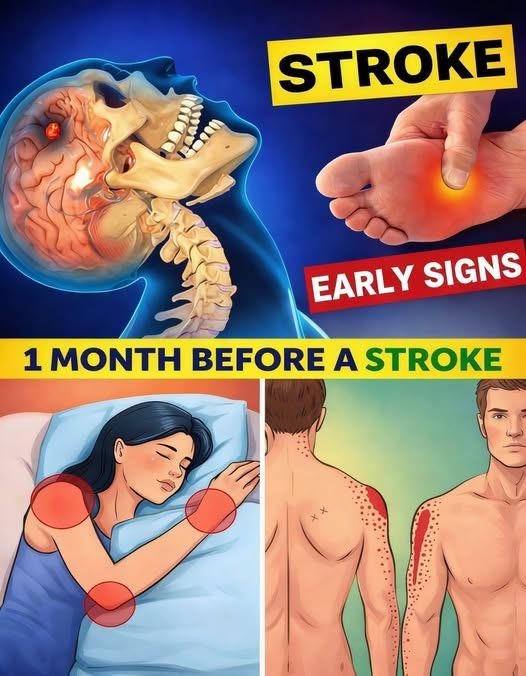
A stroke usually happens suddenly, but some people experience warning signs before a stroke, especially if they are having transient ischemic attacks (TIAs) (“mini-strokes”) or developing problems with blood vessels. A TIA can occur days, weeks, or even months before a major stroke and should be treated as a medical warning—not something to ignore.
8 Possible Warning Signs That Should Be Taken Seriously
- Sudden weakness or numbness
- Especially on one side of the face, arm, or leg.
- Temporary trouble speaking or understanding speech
- Slurred speech, confusion, or difficulty finding words.
- Sudden vision changes
- Blurred vision, loss of vision in one eye, or double vision.
- Unexplained dizziness or loss of balance
- Trouble walking, coordination problems, or feeling unusually unsteady.
- A sudden, severe headache
- Especially a “worst headache of your life” or one with neurological symptoms.
- Episodes of confusion or mental changes
- Short periods of disorientation or difficulty processing information.
- Facial drooping
- One side of the face may feel weak or appear uneven.
- Brief symptoms that disappear
- Symptoms lasting minutes and then resolving may still indicate a TIA and require medical evaluation.
9 Ways to Help Reduce Stroke Risk
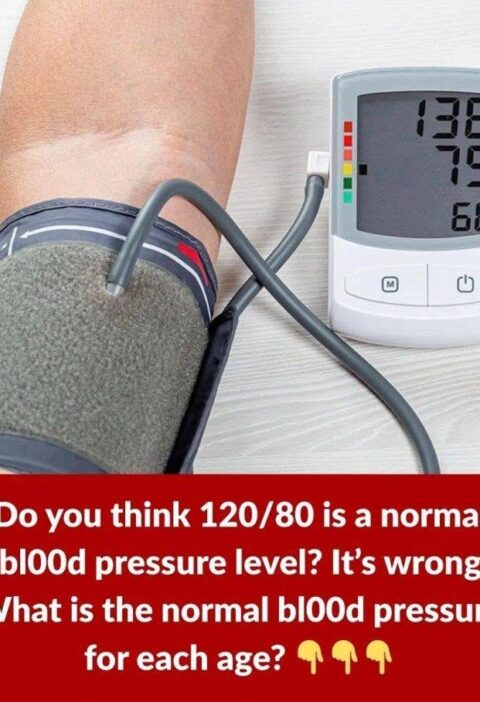
- Control blood pressure
- High blood pressure is one of the strongest stroke risk factors.
- Manage cholesterol levels
- Follow your healthcare professional’s advice about diet, exercise, and medications such as statins when prescribed.
- Keep blood sugar in a healthy range
- Diabetes increases stroke risk.
- Exercise regularly
- Aim for consistent physical activity appropriate for your fitness level.
- Eat a heart-healthy diet
- Emphasize vegetables, fruits, whole grains, legumes, lean proteins, and healthy fats while limiting excess salt and highly processed foods.
- Avoid smoking and tobacco
- Smoking significantly increases stroke risk.
- Maintain a healthy weight
- Excess body weight can raise the risk of high blood pressure, diabetes, and heart disease.
- Limit alcohol intake
- Excessive alcohol use can increase stroke risk.
- Address heart rhythm problems
- Conditions such as atrial fibrillation can increase the chance of blood clots and stroke; they need proper evaluation and treatment.
Remember FAST
Seek emergency help immediately if you notice:
- F — Face drooping
- A — Arm weakness
- S — Speech difficulty
- T — Time to call emergency services
Even if symptoms disappear, urgent medical assessment is important because a TIA can be a warning that a larger stroke may follow.