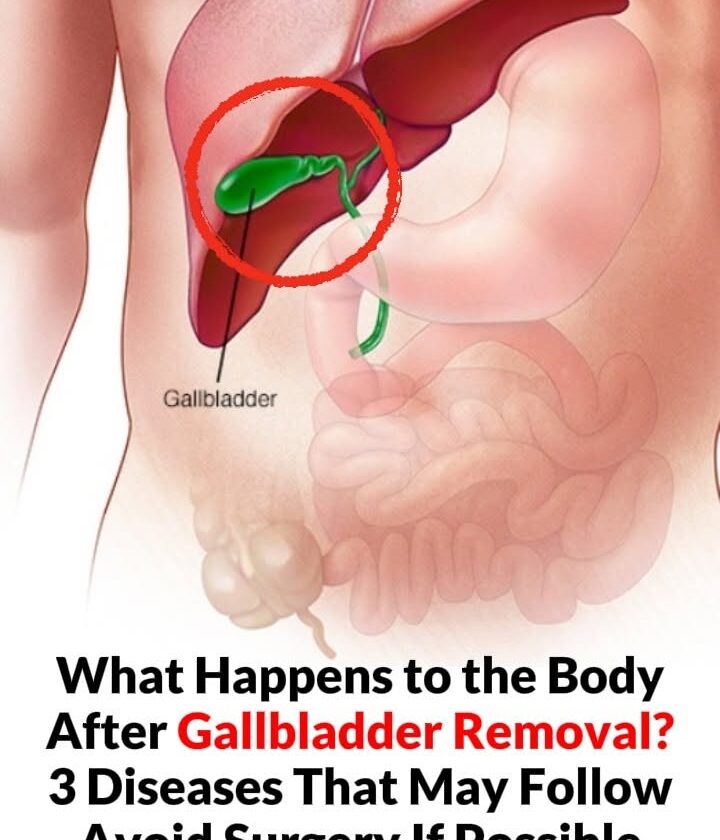
The headline “What Happens to the Body After Gallbladder Removal? 3 Diseases That May Follow – Avoid Surgery If Possible” is misleading and fear-based.
Gallbladder removal surgery (cholecystectomy) is a common procedure, usually done because of painful gallstones or gallbladder inflammation. For most people, the body continues to function normally afterward because the liver still makes bile; the gallbladder mainly stores and releases bile when needed.
Some changes that can happen after gallbladder removal include:
- Temporary digestive changes: Some people experience loose stools, bloating, or changes in how they tolerate fatty foods, especially in the first weeks or months.
- Bile-related diarrhea: A small number of people develop ongoing diarrhea because bile flows more continuously into the intestine. This can often be treated.
- Diet adjustments: Many people do well with a normal diet after recovery, though reducing very fatty meals may help if symptoms occur.
The claim that gallbladder removal commonly causes “3 diseases” is not supported as a general rule. Like any surgery, it has possible risks, but avoiding a medically necessary operation can also be harmful. Untreated gallstones or repeated gallbladder inflammation can lead to complications such as infection, blockage of bile ducts, or pancreatitis.
A balanced view:
- Not everyone with gallstones needs surgery.
- People with symptoms or complications may benefit greatly from removal.
- The decision should be based on symptoms, test results, and a discussion with a qualified healthcare professional.
So the headline’s warning to “avoid surgery if possible” is too broad. The right question is not “Is gallbladder removal always bad?” but rather “Is surgery appropriate for this person’s specific condition?”