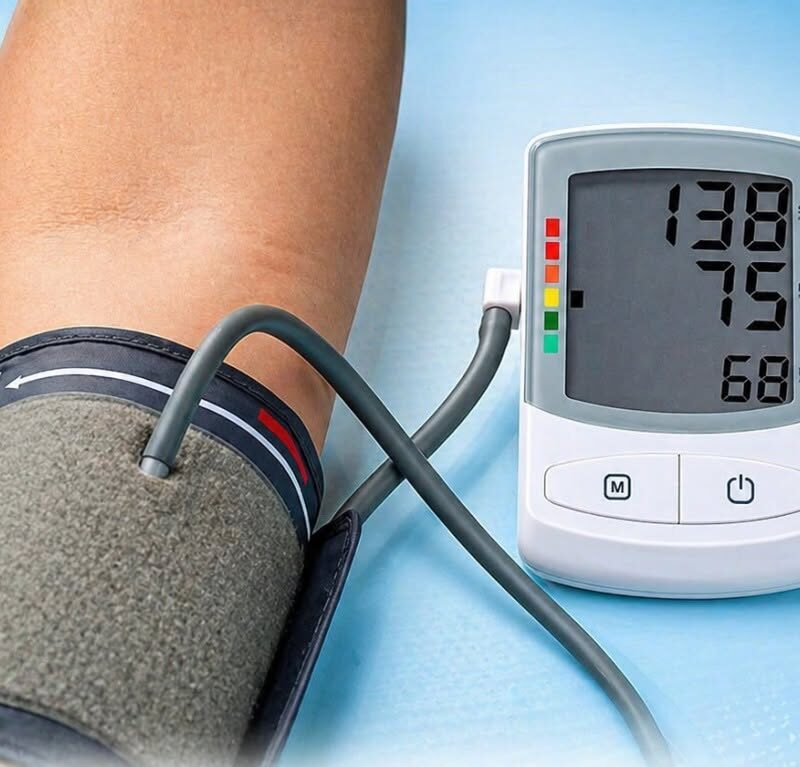
What Is Normal Blood Pressure for Your Age? A Clear GuideA common misconception is that there is a different “normal” blood pressure number for every age. In reality, healthy blood pressure targets are generally similar for adults, although goals may be adjusted based on overall health, medications, and individual risk factors.
Blood pressure is measured as:
- Systolic pressure (top number): the pressure when your heart beats.
- Diastolic pressure (bottom number): the pressure when your heart relaxes.
Adult blood pressure ranges (general guide)
| Category | Systolic (top) | Diastolic (bottom) |
|---|---|---|
| Normal | Less than 120 | and less than 80 |
| Elevated | 120–129 | and less than 80 |
| High blood pressure (Stage 1) | 130–139 | or 80–89 |
| High blood pressure (Stage 2) | 140 or higher | or 90 or higher |
| Hypertensive crisis* | 180 or higher | and/or 120 or higher |
*A reading this high requires urgent attention, especially if accompanied by symptoms such as chest pain, shortness of breath, confusion, weakness, or vision changes.
What about older adults?
Blood pressure often rises with age because arteries can become less flexible. However, higher numbers should not automatically be considered “normal aging.” Many adults over 65 benefit from keeping blood pressure controlled, but the ideal target depends on:
- Overall health
- Other medical conditions
- Risk of falls or dizziness
- Medications and side effects
How to get an accurate reading
For a more reliable home measurement:
- Sit quietly for about 5 minutes first.
- Keep your feet flat on the floor and your arm supported.
- Avoid measuring immediately after exercise, caffeine, smoking, or stress.
- Take several readings on different days and discuss the pattern with a healthcare professional.
When to talk with a healthcare professional
Consider medical advice if:
- Your readings are repeatedly 130/80 or higher.
- Your blood pressure is suddenly much higher than usual.
- You have symptoms such as chest pain, severe headache, weakness on one side, confusion, or trouble breathing.
A single reading does not diagnose high blood pressure—the average over time is what matters.