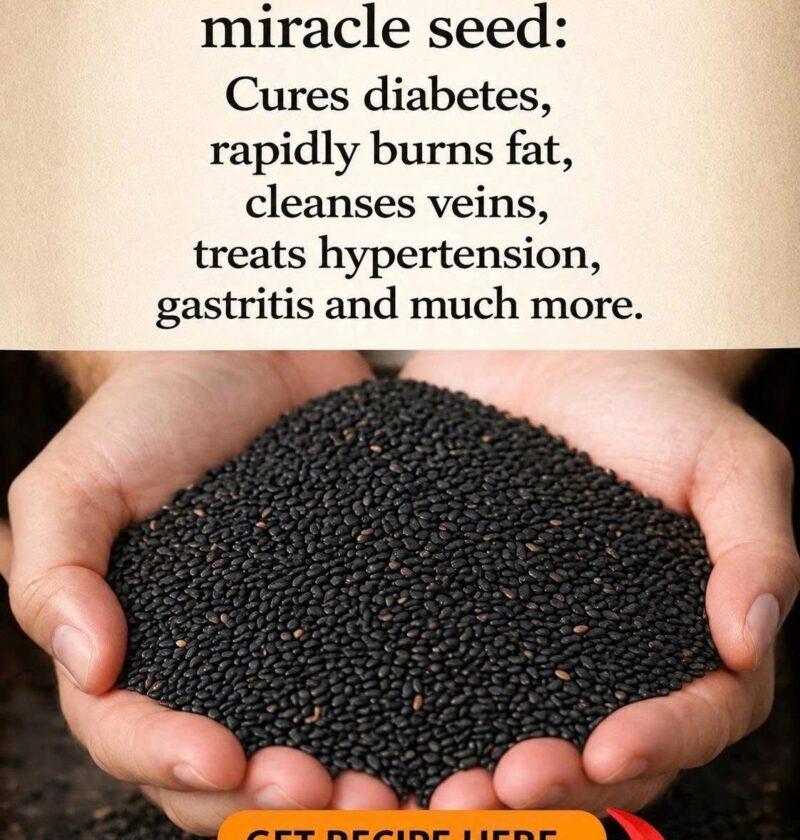
Claims like “the miracle seed that cures everything” are not supported by scientific evidence.Many seeds are nutritious and may offer health benefits, but no single seed can prevent or cure all diseases. Be cautious of headlines or social media posts that use phrases like:
- “Cures everything”
- “Doctors don’t want you to know”
- “One ingredient reverses all diseases”
- “Guaranteed results”
Some commonly promoted seeds and what the evidence actually shows:
- Flaxseeds: Rich in fiber and omega-3 fats. They may help lower cholesterol and support heart and digestive health as part of a balanced diet.
- Chia seeds: High in fiber, protein, and healthy fats. They can contribute to heart health and blood sugar control, but they are not a cure for disease.
- Pumpkin seeds: Good source of magnesium, zinc, and healthy fats. They may support heart health and provide important nutrients.
- Sesame seeds: Contain healthy fats, calcium, and antioxidants that can be part of a healthy diet.
- Black seed (Nigella sativa): Some studies suggest potential anti-inflammatory or blood sugar–lowering effects, but the evidence is limited and not strong enough to conclude it treats or cures major diseases.
If you see a post claiming a specific seed “cures everything,” it’s almost certainly misleading or false. While seeds can be a healthy part of your diet, they should not replace proven medical treatments.
If you tell me which seed the post is referring to (or share the image or link), I can explain what the research actually says about it.