It sounds like you’re referring to a claim that colonoscopy may become less invasive in the future. Here’s the context:
A traditional colonoscopy is an examination where a flexible camera tube is inserted through the rectum to view the inside of the large intestine (colon). It is currently one of the most accurate ways to detect colon polyps, colorectal cancer, bleeding sources, and other abnormalities. It is considered invasive because it requires bowel preparation, insertion of the scope, and sometimes sedation.
Researchers are developing and improving less invasive alternatives, including:
1. Stool-based screening tests
These tests look for signs of cancer or advanced polyps in stool samples:
- FIT (fecal immunochemical test) detects hidden blood.
- Stool DNA tests look for genetic changes associated with colorectal cancer.
They are easier to perform at home, but if results are abnormal, a colonoscopy is usually still needed.
2. Advanced imaging methods
Some technologies being studied or used include:
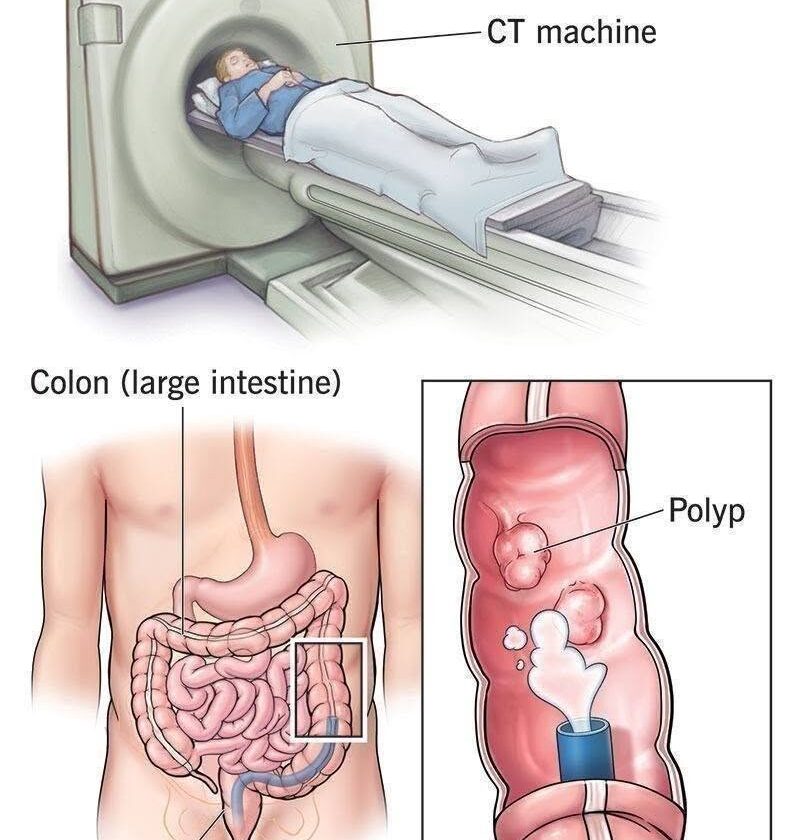
- CT colonography (“virtual colonoscopy”) — uses CT scans to create images of the colon without inserting a camera, though it still requires bowel preparation and may require follow-up colonoscopy if abnormalities are found.
- Improved imaging and artificial intelligence tools to make screening more accurate.
3. Capsule-based approaches
Researchers have explored capsule endoscopy, where a person swallows a small camera capsule that travels through the digestive tract. These systems may reduce discomfort, but they currently do not replace standard colonoscopy in many situations because they cannot always remove polyps or take biopsies.
Important point
The statement that “colonoscopy will no longer be an invasive examination” is not currently true everywhere. Colonoscopy remains an important medical procedure, especially when symptoms are present or when a screening test finds something abnormal. However, research is moving toward methods that could make colorectal screening easier and less invasive.
If you have the rest of the post (“(2/2)”) or the specific “new method” being mentioned, I can help check what technology it refers to.