Important Warning: When Vitamin D Supplements May Need Medical Attention
Vitamin D is an essential nutrient that helps the body absorb calcium, supports bone health, and plays a role in immune and muscle function. For people who are deficient, supplements can be beneficial. However, taking too much vitamin D—especially in high doses over time—can cause problems.
Vitamin D toxicity is uncommon and is usually linked to excessive supplementation rather than normal sun exposure or recommended dietary amounts.
4 Symptoms That May Suggest Too Much Vitamin D
1. Nausea, Vomiting, or Loss of Appetite
Excess vitamin D can raise calcium levels in the blood (hypercalcemia), which may cause:
- Nausea
- Vomiting
- Reduced appetite
- Stomach discomfort
2. Excessive Thirst and Frequent Urination
High calcium levels can affect the kidneys and may lead to:
- Increased thirst
- More frequent urination
- Dehydration
3. Weakness, Fatigue, or Confusion
Too much vitamin D may contribute to elevated calcium levels, which can cause:
- Unusual tiredness
- Muscle weakness
- Difficulty concentrating
- Confusion in more severe cases
4. Kidney-Related Symptoms
Excess calcium can place stress on the kidneys and may contribute to:
- Kidney stones
- Flank or back pain
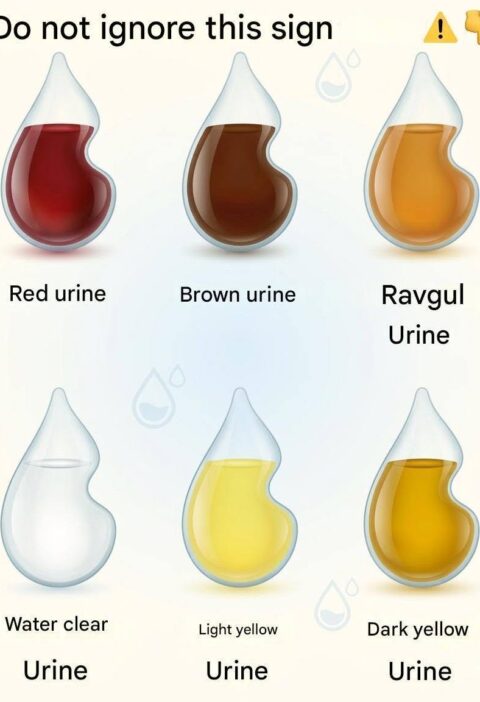
- Changes in urination
What Should You Do?
If you are taking vitamin D and develop concerning symptoms:
- Do not take additional high-dose supplements until you have spoken with a healthcare professional.
- Seek medical advice, especially if symptoms are severe or persistent.
- A doctor can check vitamin D levels and blood calcium levels if needed.
Who Should Be Especially Careful?
Talk with a healthcare professional before taking high-dose vitamin D if you have:
- Kidney disease
- A history of kidney stones
- Conditions that affect calcium levels
- Certain inflammatory or hormone-related disorders
- Medications that affect vitamin D or calcium metabolism