The kidneys filter waste, balance fluids and minerals, help regulate blood pressure, and support red blood cell production. Early kidney disease often causes few or no symptoms, so many signs are nonspecific and can have other causes.
Here are 23 possible signs that your kidneys may not be functioning properly:
- Changes in urination (more or less frequent than usual)
- Waking up often at night to urinate
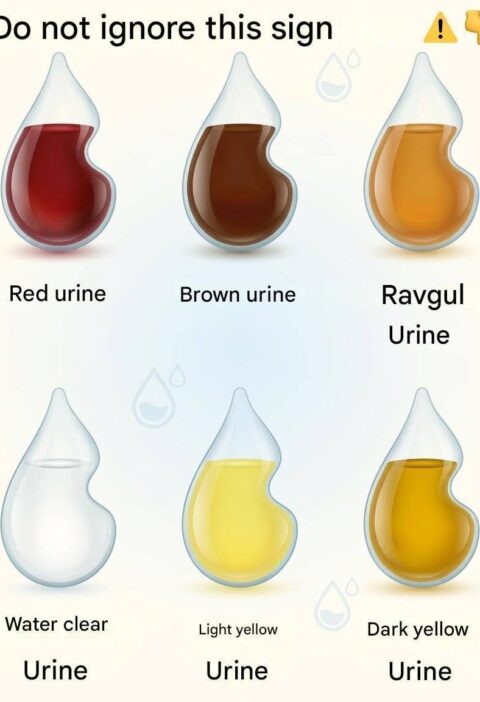
- Foamy or bubbly urine (can suggest protein in the urine)
- Blood in the urine
- Swelling of the feet, ankles, hands, or around the eyes
- Persistent fatigue or weakness
- Difficulty concentrating
- Loss of appetite
- Nausea or vomiting
- Metallic taste in the mouth
- Bad breath with an ammonia-like odor
- Dry, itchy skin
- Muscle cramps
- Shortness of breath
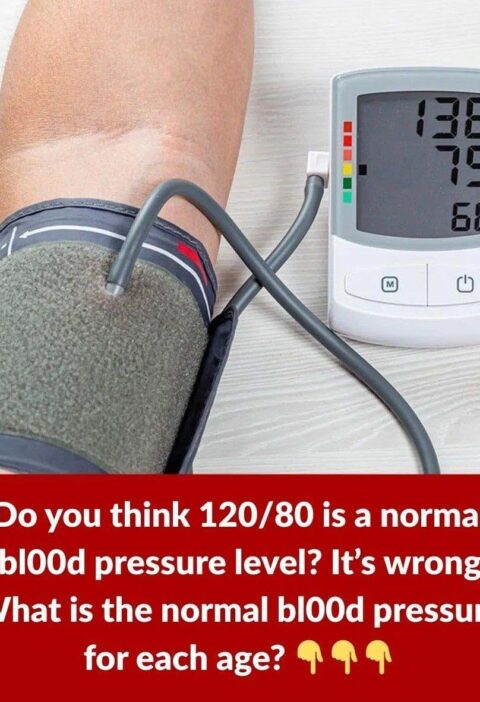
- High blood pressure that’s difficult to control
- Pain in the side or lower back (especially with kidney stones or infection)
- Pale skin due to anemia
- Feeling cold more often than usual
- Trouble sleeping
- Restless legs
- Frequent urinary tract infections
- Unexplained weight loss or swelling-related weight gain
- A general feeling of being unwell that doesn’t improve
Risk factors for kidney disease
You’re at higher risk if you have:
- Diabetes
- High blood pressure
- Heart disease
- A family history of kidney disease
- Long-term frequent use of NSAID pain relievers (such as ibuprofen or naproxen)
- Older age
When to seek medical care
Make an appointment with a healthcare professional if you have persistent symptoms such as swelling, changes in urination, or difficult-to-control blood pressure.
Seek urgent medical attention if you have: