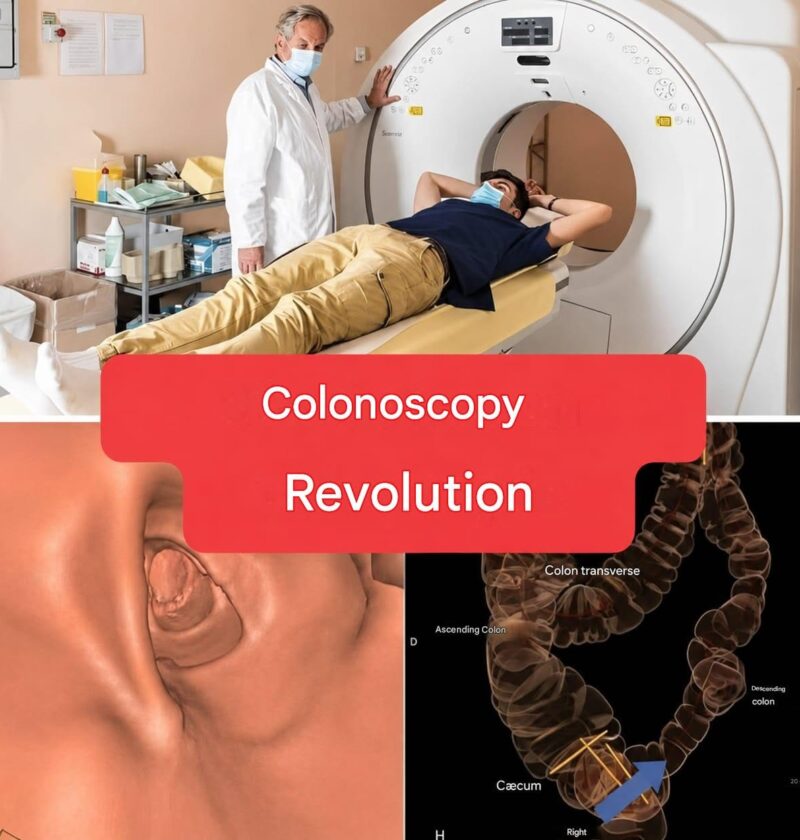
New Methods May Make Colon Cancer Screening Less Invasive — But Colonoscopy Is Still Important
Headlines claiming that “colonoscopy will no longer be an invasive examination” are often exaggerated. While researchers are developing and improving less invasive screening methods, traditional colonoscopy remains one of the most effective tools for detecting and preventing colorectal cancer.
Why Colonoscopy Is Still Used
A colonoscopy allows a doctor to:
- View the entire colon and rectum.
- Find abnormal growths (polyps).
- Remove certain polyps during the same procedure before they become cancerous.
- Take tissue samples (biopsies) if needed.
Because it can both detect and prevent cancer, colonoscopy remains a key screening option.
Newer, Less Invasive Screening Options
Several alternatives can reduce the need for a traditional colonoscopy in some people:
1. Stool-Based Tests
These tests look for signs of cancer in stool samples, such as:
- Hidden blood
- DNA changes linked to colorectal cancer
They are noninvasive and can be done at home, but if results are abnormal, a colonoscopy is usually needed.
2. CT Colonography (“Virtual Colonoscopy”)
This uses CT imaging to create pictures of the colon without inserting a traditional scope. It still requires bowel preparation, and any suspicious findings may require a follow-up colonoscopy.
3. Blood-Based Screening Tests
Researchers are studying blood tests that detect signals associated with colorectal cancer. These may become additional options in the future, but they do not currently replace colonoscopy for everyone.
Who Should Be Screened?
Screening recommendations vary by country and individual risk factors. Many guidelines recommend starting colorectal cancer screening around age 45 for people at average risk, but earlier or more frequent screening may be needed for those with:
- A family history of colorectal cancer
- Previous polyps
- Inflammatory bowel disease
- Certain genetic conditions