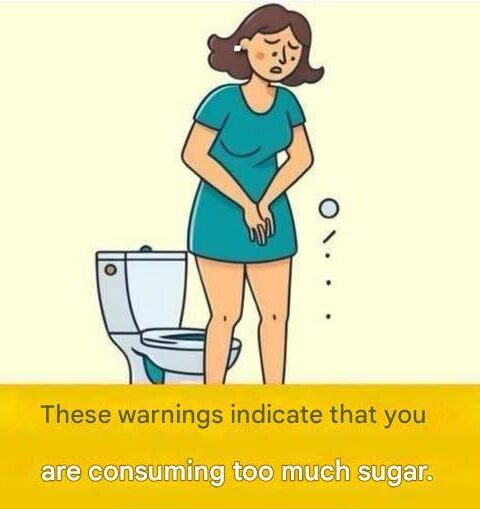
1. Increased Thirst
High blood sugar can cause the body to pull more water into the urine, leading to dehydration and increased thirst.
2. Frequent Urination
Needing to urinate more often—especially at night—can occur when the kidneys try to remove excess glucose from the blood.
3. Increased Hunger
Some people feel unusually hungry because glucose is not being used properly by the body’s cells for energy.
4. Unexplained Weight Loss
Losing weight without trying can occur when the body begins using fat and muscle for energy because glucose is not entering cells effectively.
5. Fatigue and Low Energy
High blood sugar can leave you feeling tired because your cells may not be getting the energy they need.
6. Blurred Vision
Changes in blood sugar levels can affect fluid balance in the eye and temporarily alter vision.
7. Slow-Healing Cuts or Wounds
Persistently high blood sugar can affect circulation and the immune system, which may slow healing.
8. Frequent Infections
High blood sugar can make some people more prone to infections, including:
- Urinary tract infections
- Skin infections
- Yeast infections
9. Tingling or Numbness in Hands or Feet
Long-term high blood sugar can damage nerves, causing sensations such as:
- Tingling
- Burning
- Numbness