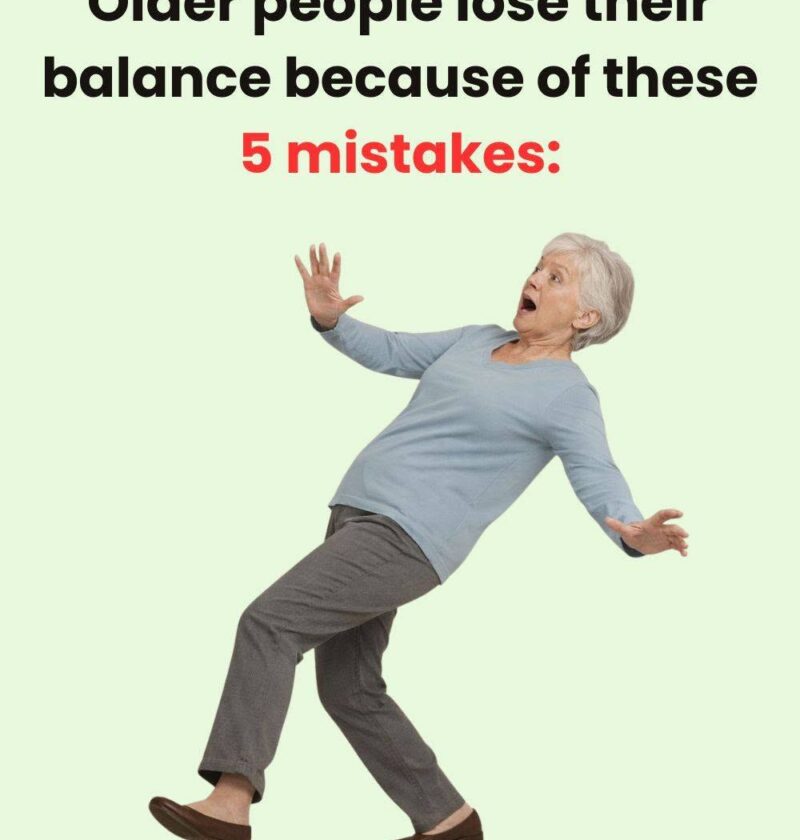
Common Mistakes That Can Affect Balance in Older Adults
Good balance is important for staying active and reducing the risk of falls. While balance naturally changes with age, many contributing factors can be identified and addressed.
1. Not Staying Physically Active
A lack of regular movement can lead to weaker muscles and reduced flexibility, making balance more difficult.
Activities that may help include:
- Walking
- Tai chi
- Strength training
- Balance exercises
2. Wearing Unsupportive Footwear
Shoes that are loose, worn out, or have slippery soles can increase the risk of slips and falls.
Choose shoes that:
- Fit well
- Have non-slip soles
- Provide good support
3. Ignoring Vision or Hearing Changes
Vision and hearing both contribute to balance. Regular eye exams and hearing evaluations can help identify problems that affect stability.
4. Standing Up Too Quickly
Some people experience a temporary drop in blood pressure when standing, called orthostatic hypotension, which can cause dizziness or lightheadedness.
Standing up slowly may help reduce symptoms.
5. Taking Multiple Medications
Certain medications—or combinations of medications—can affect balance by causing:
- Drowsiness
- Dizziness
- Blurred vision
Never stop a prescribed medication on your own, but ask your healthcare provider or pharmacist to review your medications if you notice balance problems.
6. Not Drinking Enough Fluids
Dehydration can contribute to dizziness and increase the risk of falls, especially during hot weather or illness.