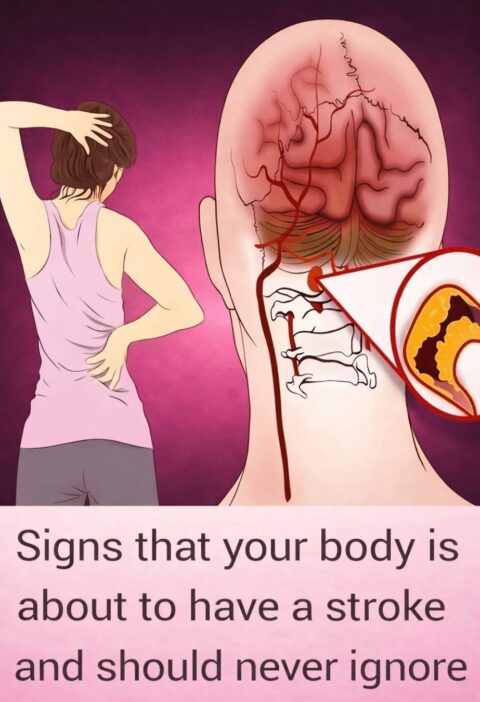
Headlines like this can be alarming, but they often leave out important context. Many medications can increase cardiovascular risk in certain situations, but people should never stop a prescribed medication without consulting their doctor.
Here are five categories that have been associated with increased heart attack or stroke risk in some older adults:
1. Certain NSAID Pain Relievers
Examples include:
- Ibuprofen
- Naproxen
Long-term or high-dose use may increase the risk of heart attack, stroke, and high blood pressure, especially in people with existing heart disease.
2. Some Decongestants
Examples containing ingredients such as pseudoephedrine can raise blood pressure and heart rate, which may be problematic for people with cardiovascular disease.
3. Certain Hormone Therapies
Some forms of hormone replacement therapy may increase the risk of blood clots, stroke, or heart disease in specific groups of people.
4. Some Diabetes Medications
While many diabetes medications are safe and beneficial, certain older drugs have been associated with cardiovascular concerns in specific circumstances. Treatment decisions should always be individualized.
5. Certain Stimulant Medications
Medications used for attention disorders or other conditions can increase heart rate and blood pressure and may require careful monitoring in older adults.
Important Context
The risk depends on factors such as:
- Age
- Existing heart disease
- Blood pressure
- Kidney function
- Dosage
- Duration of use
- Other medications being taken
A medication that increases risk for one person may be appropriate and beneficial for another.
Never Stop Medication on Your Own
Stopping prescribed medicines suddenly can sometimes be more dangerous than continuing them. If you are concerned about a medication:
- Make a list of all medicines you take.
- Discuss concerns with your doctor or pharmacist.
- Ask whether safer alternatives are available.
Bottom Line
There is no universal list of “5 medications that cause heart attacks and strokes.” Some drug classes can increase cardiovascular risk in certain older adults, but the decision to use or stop a medication should always be made with a healthcare professional based on individual risks and benefits.