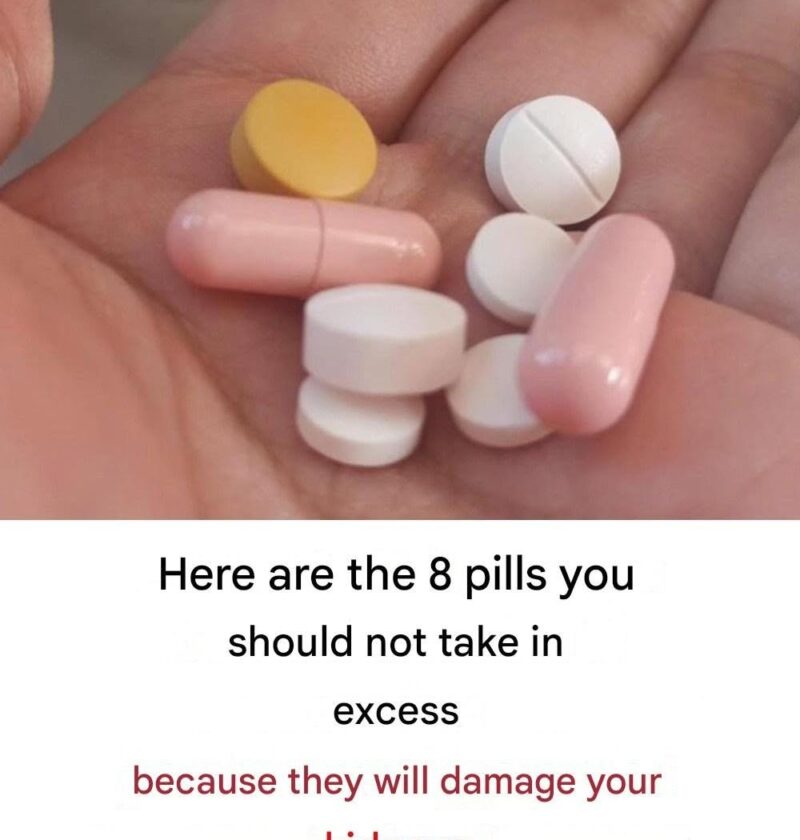
If you’re fact-checking “8 pills you shouldn’t take because they damage your kidneys,” that headline is too absolute. Some medicines can injure the kidneys or become unsafe when kidney function is reduced, but many are perfectly appropriate when prescribed and monitored.
8 medication groups that deserve kidney caution
- NSAID painkillers — ibuprofen, naproxen, diclofenac, and similar drugs can reduce kidney blood flow and increase the risk of acute kidney injury, especially with high doses, long-term use, dehydration, or existing kidney disease. (National Kidney Foundation)
- Certain antibiotics — some can directly affect the kidneys, while others can accumulate when kidney function is reduced and therefore require dose adjustment. (National Kidney Foundation)
- Certain antifungal medicines — some can be nephrotoxic or require dose adjustments in kidney disease. (National Kidney Foundation)
- Certain antiviral medicines — some can accumulate or cause kidney-related adverse effects, particularly when kidney function is impaired. (National Kidney Foundation)
- Diuretics (“water pills”) — medicines such as furosemide can be very useful, but excessive dosing can cause dehydration and electrolyte abnormalities that stress the kidneys. (National Kidney Foundation)
- ACE inhibitors and ARBs — these can temporarily lower eGFR and require monitoring, but importantly, they often protect the kidneys over the long term and should not be stopped simply because of this headline. (National Kidney Foundation)
- Spironolactone and similar medicines — these can raise potassium levels, particularly when kidney function is impaired, so monitoring may be necessary. (National Kidney Foundation)
- Some cancer medicines and other specialized drugs — certain treatments can directly injure the kidneys and require monitoring or dose adjustments. (National Kidney Foundation)
One of the biggest everyday concerns is NSAIDs. People with chronic kidney disease, particularly those with an eGFR below 60, are generally advised not to self-treat with NSAIDs unless their healthcare professional specifically recommends them. (National Kidney Foundation)
Don’t stop prescribed medicines on your own. Kidney function affects how many medications are cleared from the body, so doctors may need to change the dose rather than discontinue the medication. (National Kidney Foundation)
A more accurate headline would be: “8 Medication Groups That Can Affect Your Kidneys—and How to Use Them Safely.”