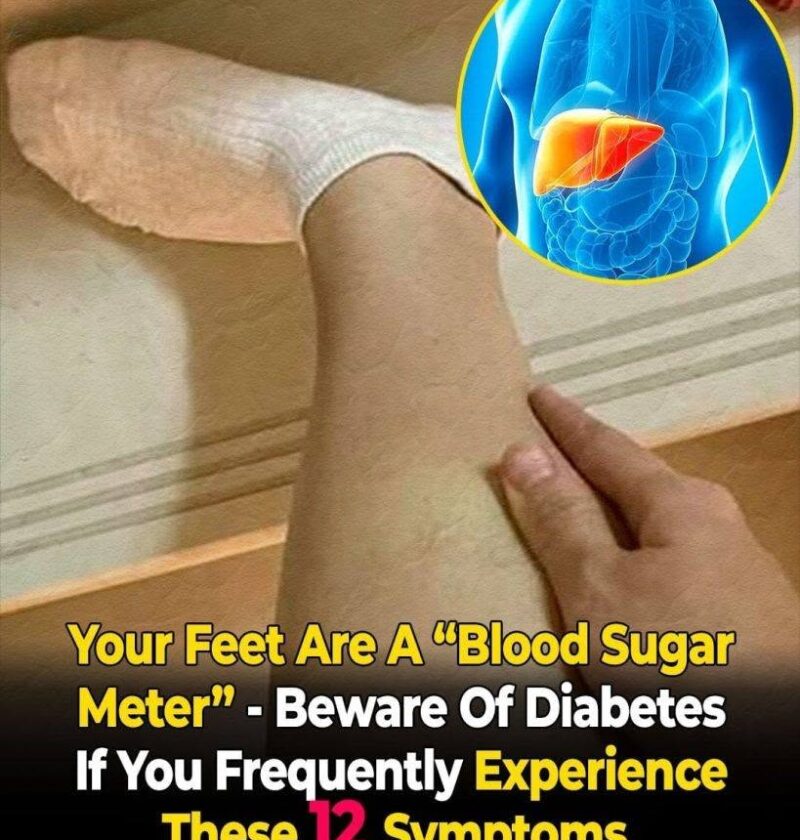
That headline is catchy, but your feet aren’t literally a “blood sugar meter.” Some foot changes can occur with diabetes, particularly when blood sugar has been high over time, but they aren’t enough to diagnose diabetes.
12 Foot Symptoms That May Be Linked to Diabetes
Diabetes can affect nerves and blood vessels, which may make certain foot problems more likely.
- Tingling or pins-and-needles in the feet
- Numbness or reduced ability to feel touch
- Burning or shooting pain
- Unusual sensitivity to touch
- Cold feet or changes in temperature sensation
- Dry, cracked skin
- Slow-healing cuts or sores
- Recurring blisters or wounds
- Changes in skin color
- Swelling of the feet or ankles
- Changes in the shape of the foot
- Frequent infections or fungal problems affecting the feet or toenails
Why these symptoms matter
Persistently high blood glucose can damage nerves (diabetic neuropathy) and contribute to poor circulation. Reduced sensation can also mean that a person doesn’t notice a blister, cut, or other injury until it becomes more serious.
But these symptoms have many possible causes. Having one or more doesn’t mean you have diabetes. A blood glucose test or HbA1c test is needed to diagnose diabetes.
When to get medical attention
If you have diabetes and develop a foot wound that isn’t healing, spreading redness, warmth, significant swelling, drainage, blackened skin, or severe pain, seek medical care promptly.
Bottom line: Don’t use your feet as a substitute for checking blood sugar. If you frequently experience unexplained foot symptoms—especially numbness, burning, or slow-healing wounds—ask a healthcare professional whether diabetes testing is appropriate.