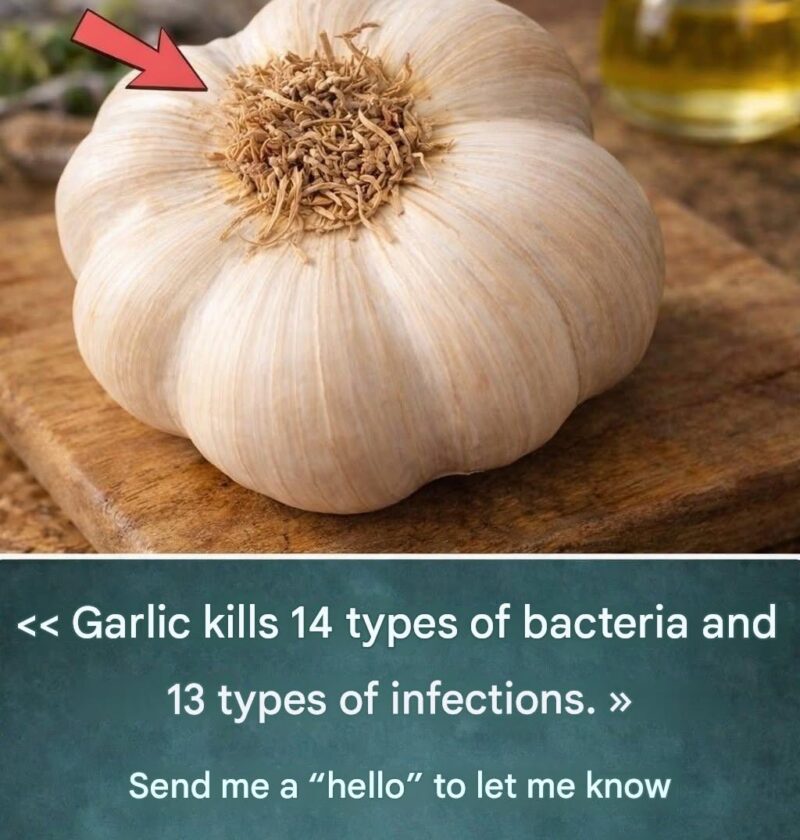
Garlic can be a healthy addition to your daily diet, but it’s best viewed as part of an overall healthy lifestyle—not a guaranteed immunity booster.
🧄 How garlic may support your immune system
Garlic contains sulfur-containing compounds, especially allicin, which is produced when fresh garlic is chopped, crushed, or chewed. These compounds have antioxidant and antimicrobial properties and have been studied for their potential effects on immune function.
Some research suggests garlic may modestly influence immune responses and may be associated with fewer or shorter common-cold episodes, although the evidence in humans is mixed and not strong enough to say that garlic prevents infections.
🌱 A simple daily habit
For most people, incorporating garlic into normal meals is an easy way to enjoy its potential benefits:
- Add 1–2 cloves of fresh garlic to vegetables, soups, beans, sauces, or stir-fries.
- Crush or chop garlic before cooking to encourage formation of allicin.
- Let chopped garlic sit for about 10 minutes before cooking; this may help preserve some of its sulfur compounds.
- Use garlic alongside other nutritious foods rather than relying on it as a supplement.
⚠️ Don’t overdo it
More garlic isn’t necessarily better. Eating large amounts, particularly raw garlic, can cause heartburn, stomach upset, bad breath, or digestive discomfort. Garlic supplements can also interact with certain medicines, including drugs that affect blood clotting.
Bottom line
Garlic is a nutritious, inexpensive habit worth including in a balanced diet. It may contribute to normal immune function, but it shouldn’t be considered a substitute for adequate sleep, good nutrition, physical activity, vaccination, or appropriate medical care.
If you want, I can also turn this into a detailed health article/blog post with an introduction, benefits, dosage, precautions, and references.