If you’re referring to the headline “Doctor uncovers a telltale sign in your fingernails that may predict your life expectancy,” the claim is usually based on Terry’s nails or nail clubbing. But the headline is much more dramatic than the medical evidence supports.
💅 What can fingernails actually tell you?
Your nails can sometimes provide clues about your health, but no fingernail sign can accurately predict how long you will live.
Terry’s nails are characterized by nails that appear mostly white or “washed out,” often with a narrow pinkish or reddish-brown band near the tip. They can occur with normal aging, but they may also be associated with conditions such as liver disease, heart failure, diabetes, or kidney failure. (Cleveland Clinic)
Another important sign is clubbing—when the fingertips become enlarged and the nails curve more strongly around the fingertips. It can be associated with diseases affecting the lungs, heart, liver, or digestive system, although some people have harmless inherited clubbing. (Cleveland Clinic)
What about horizontal lines?
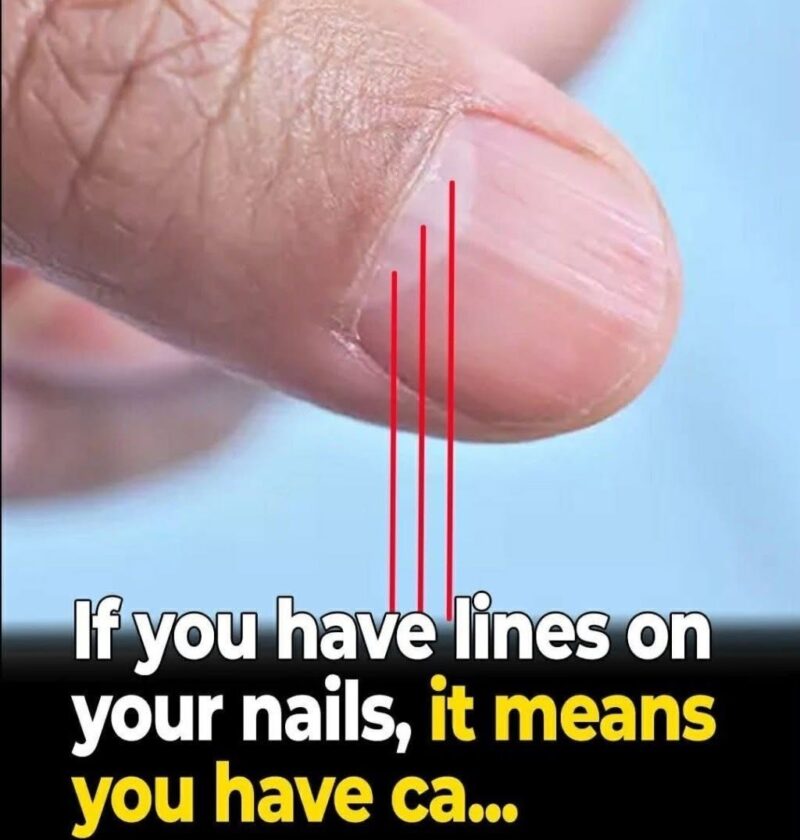
Beau’s lines are horizontal grooves across the nail. They don’t predict life expectancy either. They can appear when nail growth has temporarily been interrupted by illness, fever, significant stress, injury, nutritional problems, or certain chronic diseases. (Cleveland Clinic)
🚨 When should you get your nails checked?
A new or unexplained change—especially clubbing, persistent color changes, or changes affecting several nails—deserves medical evaluation. The nail itself isn’t necessarily the problem; doctors look for the underlying condition that may have caused the change.
Bottom line: Your fingernails can sometimes act as a useful health clue, but they cannot tell you your life expectancy. A headline suggesting that one nail sign can predict how many years you have left is misleading.