🩺 What Is the Normal Blood Pressure for Each Age?
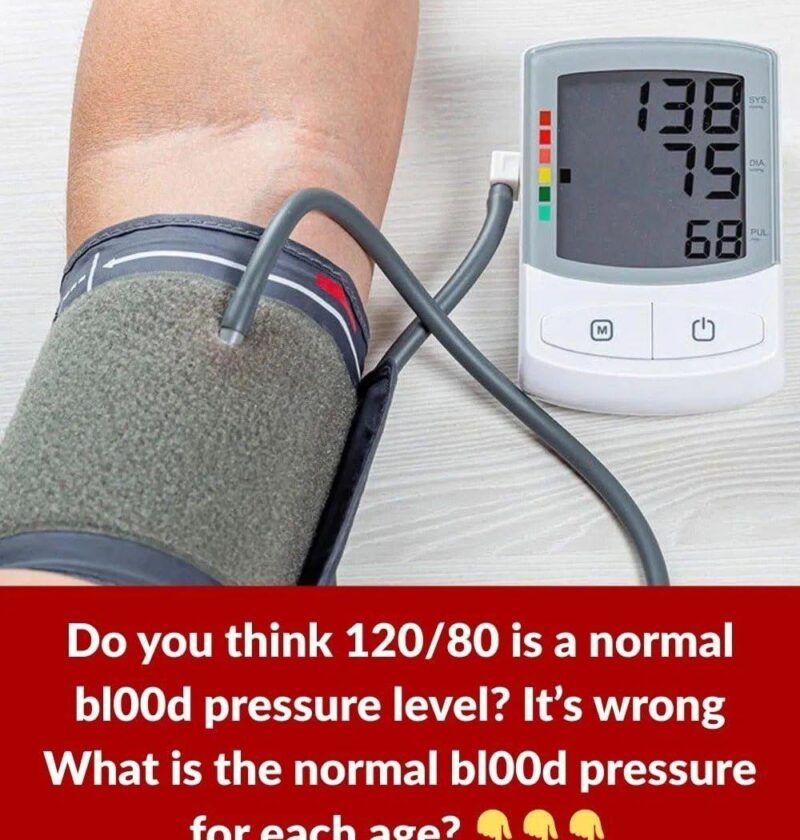
A common misconception is that blood pressure is supposed to rise substantially as you get older. For adults, there isn’t a separate “normal” blood-pressure range for each age. Current 2025 AHA/ACC guidance uses the same categories for adults, while treatment goals may be individualized. (international.heart.org)
Adult blood-pressure chart
| Blood pressure | Category |
|---|---|
| Below 120/80 mmHg | 🟢 Normal |
| 120–129 / below 80 | 🟡 Elevated |
| 130–139 or 80–89 | 🟠 Stage 1 hypertension |
| 140 or higher or 90 or higher | 🔴 Stage 2 hypertension |
| Above 180 and/or 120 | 🚨 Severe hypertension |
👨🦳 Does age change what is “normal”?
Not in the way many internet charts suggest.
For example, 130/80 isn’t automatically normal just because someone is 65, 75, or 85. However, doctors may individualize treatment for older adults depending on frailty, other illnesses, medications, falls risk and overall health. The 2025 guideline gives a general treatment goal of below 130/80 mmHg for adults. (international.heart.org)
📏 How to get an accurate reading
For a useful home measurement:
- Sit quietly for about 5 minutes first.
- Keep your back supported and both feet flat on the floor.
- Rest your arm at heart level.
- Don’t talk during the measurement.
- Take more than one reading rather than relying on a single number. (www.heart.org)
🚨 When is blood pressure dangerously high?
A reading above 180 systolic and/or 120 diastolic is severely elevated. If it is accompanied by chest pain, shortness of breath, weakness/numbness, vision changes, severe headache, confusion or difficulty speaking, emergency medical care is needed. (www.heart.org)
Bottom line: For most adults, less than 120/80 is considered normal, regardless of whether you’re 30, 50, 70 or 80. Don’t dismiss persistently high readings as simply “normal for your age.”