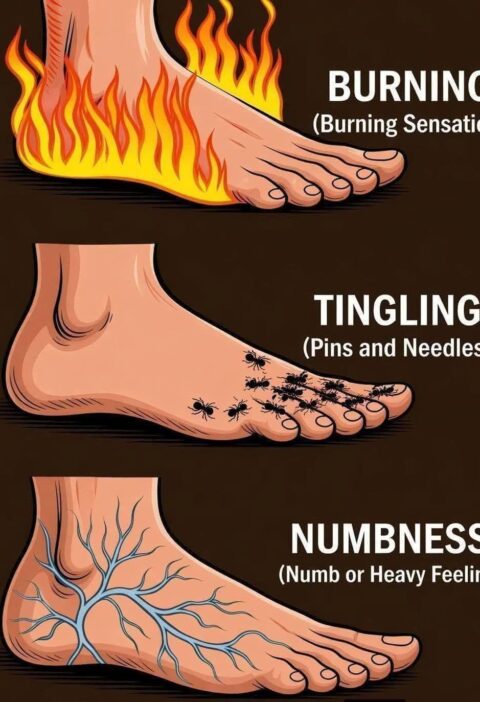
The headline is a little too strong: these symptoms don’t automatically mean you should stop vitamin D, but they can be warning signs of excessive vitamin D intake and high blood calcium, particularly when taking high-dose supplements. (ODS)
Important Warning: 4 Symptoms That May Mean You’re Taking Too Much Vitamin D
Vitamin D is important for bone, muscle, and overall health, but excessive supplementation can be harmful. Toxicity usually results from taking too much vitamin D from supplements rather than from normal sunlight exposure. (MedlinePlus)
1. Persistent nausea or vomiting
Unexplained nausea, vomiting, or loss of appetite can occur when vitamin D levels become excessively high.
2. Unusual muscle weakness
Significant weakness or fatigue can be a symptom of high calcium levels associated with vitamin D toxicity.
3. Excessive thirst and frequent urination
High calcium can cause increased thirst, dehydration, and unusually frequent or large amounts of urination. (MedlinePlus)
4. Confusion or unusual changes in thinking
Severe vitamin D toxicity can cause confusion and, in extreme cases, kidney problems or abnormal heart rhythms. (MedlinePlus)
What should you do?
If these symptoms develop while you’re taking high-dose vitamin D, contact your healthcare professional promptly rather than simply continuing the supplement or changing the dose yourself. A clinician may check your blood calcium and vitamin D levels and assess kidney function. (MedlinePlus)
For most adults, the usual upper daily limit from all sources is 4,000 IU (100 mcg), although doctors may temporarily prescribe higher amounts to treat a documented deficiency. (ODS)
Bottom line: Vitamin D is essential, but excessive supplementation can be dangerous. The goal isn’t to avoid vitamin D—it’s to take the appropriate dose for your individual needs.