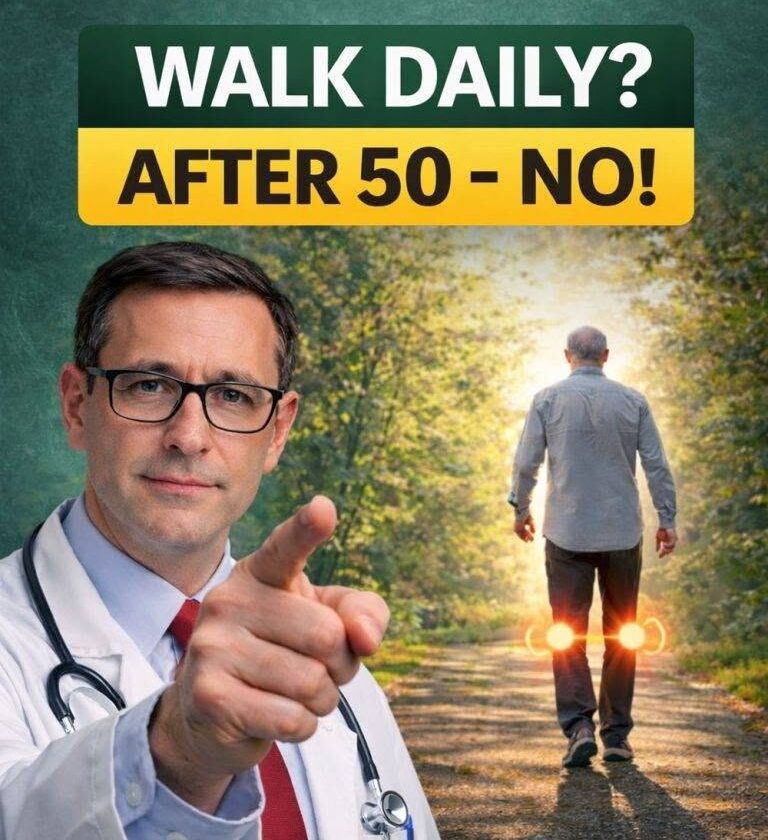
🚶 7 Walking Mistakes That Can Affect Your Health After 50
Walking is one of the simplest ways to stay active as you age. But getting older doesn’t mean you need to stop walking or become overly cautious. Regular physical activity supports strength, mobility, cardiovascular health, and independence. (NIA)
Here are seven habits worth avoiding:
1. 👟 Wearing unsafe footwear
Loose shoes, worn-out soles, high heels, or shoes without adequate support can increase instability and fall risk. Choose comfortable shoes with a secure fit, good traction, and enough room for your toes. (CDC)
2. 🚶 Walking too fast too soon
If you’ve been inactive, suddenly switching to long or very brisk walks can leave you sore or increase your risk of injury. Build duration and intensity gradually. Moderate-intensity walking is appropriate for many older adults. (NIA)
3. 🧍 Ignoring balance problems
If you regularly feel unsteady, dizzy, or as though you’re going to fall, don’t simply blame it on age. Balance problems can have many causes, including medications and medical conditions, and deserve evaluation. (NIA)
4. 🌙 Walking in poor lighting
Dimly lit paths, stairs, and uneven surfaces make it harder to see obstacles. Use good lighting and avoid walking in darkness when you’re already having balance difficulties. (NIA)
5. 📱 Walking while distracted
Looking continuously at a phone or becoming distracted by conversation can make it harder to notice obstacles, traffic, or changes in the walking surface. Keep your attention on where you’re going.
6. 🦵 Only walking and never strengthening
Walking is excellent aerobic activity, but older adults also benefit from muscle-strengthening and balance exercises. Combining these forms of exercise helps maintain strength, function, and balance. (CDC)
7. ❤️ Ignoring warning symptoms
Don’t push through chest pain, severe shortness of breath, fainting, significant dizziness, or sudden weakness. Stop exercising and seek appropriate medical care, particularly if symptoms are new or severe.
A better approach
Start at a comfortable pace, maintain good posture, wear appropriate shoes, and gradually increase your walking time. If you have a chronic condition or haven’t exercised for a long time, discuss an appropriate activity plan with your healthcare professional. (NIA)
Bottom line: After 50, walking isn’t something to fear—it’s something to do intelligently. Good footwear, gradual progression, attention to balance, and adding strength and balance exercises can help you stay mobile and independent.