💧 What Does the Color of Your Urine Say About Your Health?
Urine color can provide a useful clue about hydration, but it isn’t a complete health test. Medications, vitamins, foods, and medical conditions can also change urine color. (Guy’s and St Thomas’ NHS Trust)
🌈 Common urine colors and what they may mean
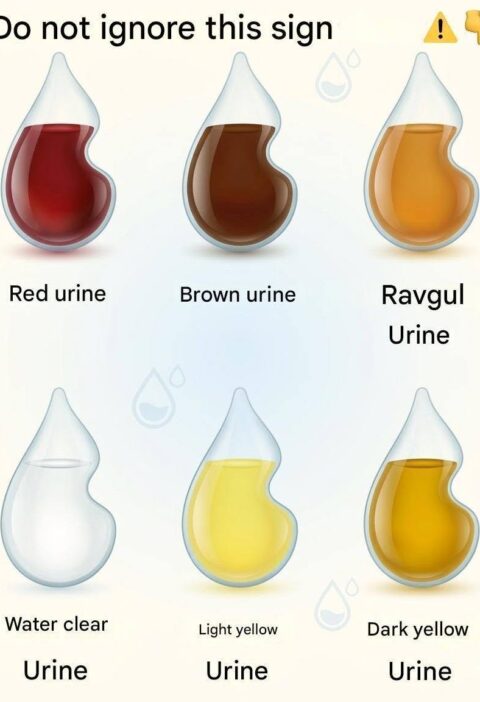
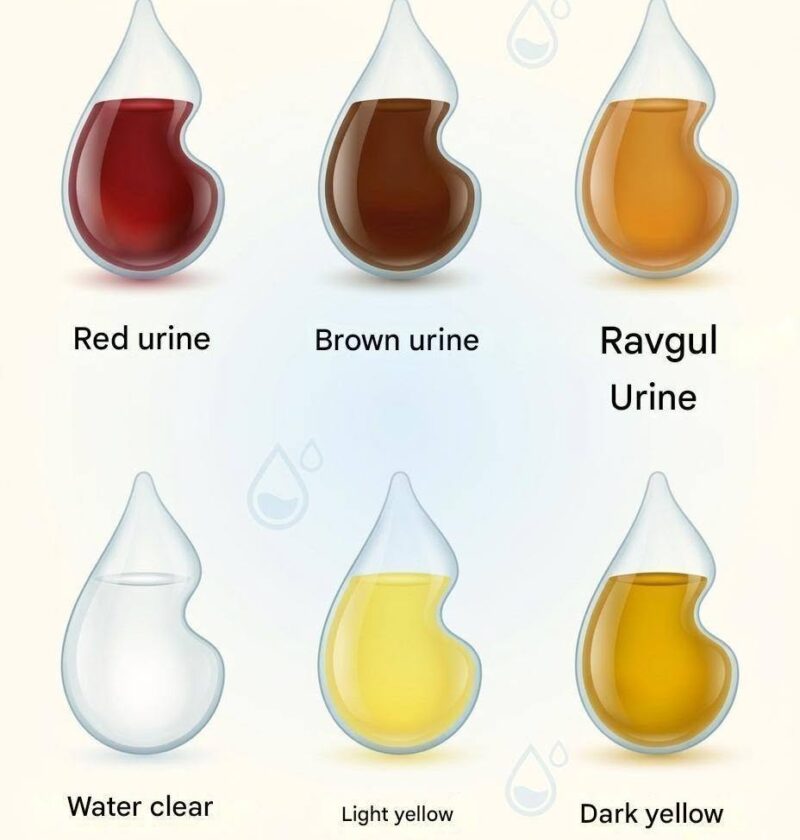
- 🟨 Pale yellow: Usually a sign of good hydration.
- 💛 Dark yellow/amber: Often means your urine is more concentrated and you may need more fluids.
- 🟠 Orange: Can occur with significant dehydration, but some medicines can also turn urine orange. Persistent orange urine deserves medical advice.
- 🩷 Pink or red: May be caused by blood, although foods such as beets can sometimes produce a similar color. Blood in the urine should be medically evaluated. (MedlinePlus)
- 🟤 Brown or tea-colored: Can occur with severe dehydration, but may also indicate other medical problems. Don’t assume it’s simply a lack of water if it persists.
- ☁️ Cloudy urine: Can occur with dehydration, urinary infection, crystals, or other conditions. Color alone can’t establish the cause.
- 🟢/🔵 Green or blue: Unusual colors can sometimes result from medications, dyes, or certain medical conditions.
💊 Vitamins and medicines can change the color
A bright or almost fluorescent yellow urine color is commonly seen after taking B-complex vitamins, and various medications can also alter urine color. Therefore, an unusual color doesn’t automatically mean something is wrong. (South Tees Hospitals Trust)
🚨 When should you get checked?
Seek medical advice if you have red, pink, or brown urine without an obvious dietary explanation, particularly if it keeps happening. Also get checked if urine changes are accompanied by pain, fever, burning when urinating, back/flank pain, or significantly reduced urine output.
If you have confusion, fainting, very little or no urine, rapid breathing, or severe dehydration, seek urgent medical care. (MedlinePlus)
Bottom line: For most people, pale-yellow urine is a reassuring sign of adequate hydration. Darker urine often means you need more fluid, but unusual or persistent colors shouldn’t be self-diagnosed from color alone. (nhs.uk)