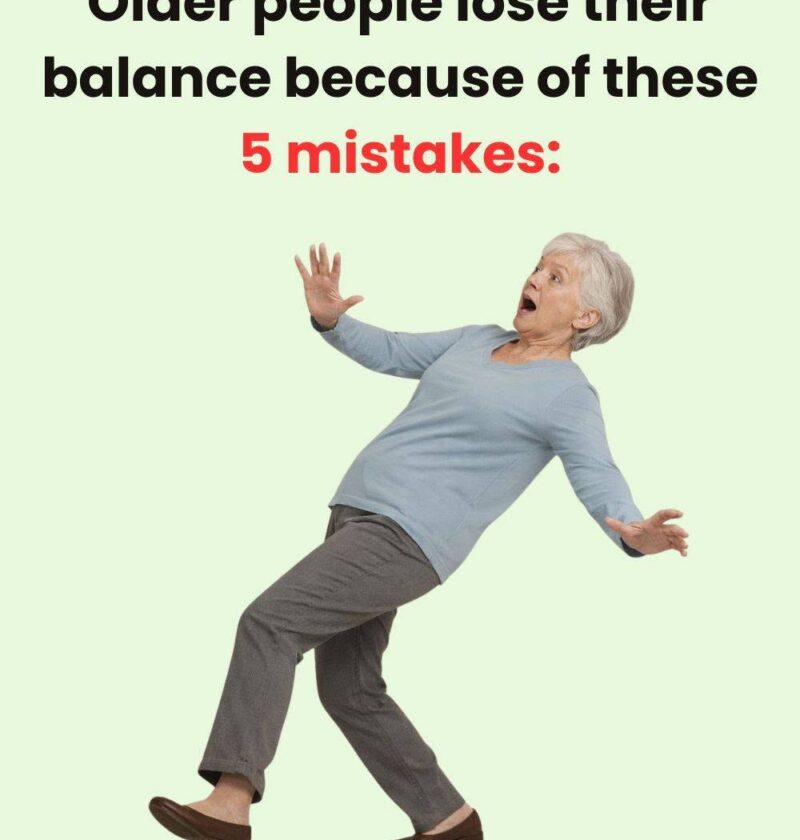
⚖️ Common Mistakes That Can Affect Balance in Older Adults
Balance naturally deserves more attention with age, but falls are not an inevitable part of getting older. More than 1 in 4 adults age 65+ fall each year, according to the CDC.
1. 🛋️ Being too inactive
Avoiding activity because you’re worried about falling can actually make things worse. Weak leg and core muscles can reduce stability. Strength and balance exercises, including appropriately supervised exercises or tai chi, can help.
2. 👟 Wearing unsafe footwear
Loose slippers, backless shoes, worn soles, or poorly fitting footwear can make walking less stable. Choose well-fitting shoes with good traction and support.
3. 💊 Ignoring medication side effects
Some prescription and over-the-counter medicines can cause dizziness, drowsiness, confusion, or low blood pressure, increasing fall risk. Have your medications reviewed by your doctor or pharmacist rather than stopping anything yourself.
4. 👀 Putting off an eye examination
Poor vision can make obstacles, stairs, and changes in flooring harder to detect. The CDC recommends regular eye checks and keeping glasses prescriptions up to date.
5. 🏠 Leaving trip hazards around the home
Loose rugs, clutter, electrical cords, slippery floors, and poor lighting can turn an ordinary walk into a fall. Improve lighting, clear walkways, remove unsecured rugs, and consider grab bars where appropriate.
6. 🚶 Getting up too quickly
Some people experience postural (orthostatic) hypotension—a drop in blood pressure when standing—which can cause dizziness or fainting. If you regularly feel lightheaded when standing, tell your healthcare professional.
7. 🩺 Ignoring repeated unsteadiness
Feeling increasingly unsteady, having repeated falls, or developing new difficulty walking deserves medical evaluation. Balance problems can sometimes be related to vision, medications, neurological conditions, muscle weakness, blood-pressure changes, or other health problems