Navigating Vitamin Habits: Stroke Risk, Aging & Brain Health 🧠
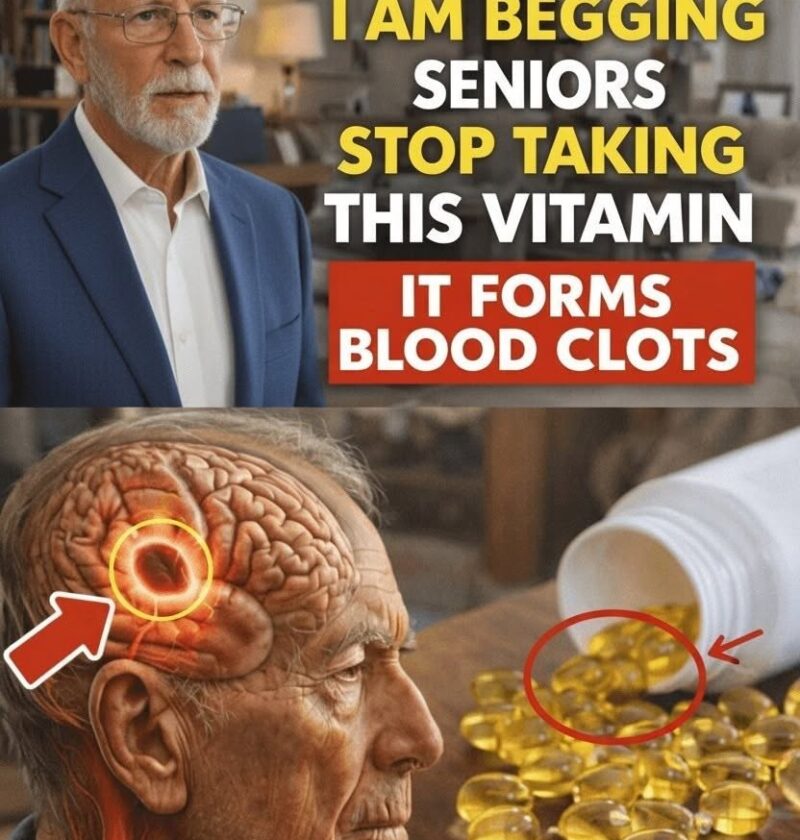
Vitamin supplements can be useful when an older adult has a genuine deficiency, but taking more vitamins does not automatically protect against stroke or dementia. The strongest evidence for preventing stroke focuses on controlling blood pressure, cholesterol, diabetes, smoking, physical inactivity and diet.
What older adults should know
- Vitamin B12: Deficiency can affect nerves and cognition, so testing and treatment are important when deficiency is suspected. However, B12 supplements haven’t been shown to prevent dementia in people who aren’t deficient.
- Folic acid/B vitamins: Correcting a deficiency is important, but routine supplementation isn’t a proven way to prevent stroke or cognitive decline in everyone.
- Vitamin D: Important for overall health when deficient, but taking extra vitamin D specifically to prevent stroke isn’t established.
- Vitamin E: High-dose supplementation isn’t a general brain-health or stroke-prevention strategy; evidence for preventing dementia is limited.
- Multivitamins: They shouldn’t be viewed as protection against heart disease or stroke.
🥗 What matters more for stroke and brain health?
The American Heart Association recommends a Mediterranean-style eating pattern, regular physical activity and careful blood-pressure management as important parts of stroke prevention.
Getting vitamins from foods—vegetables, fruits, whole grains, beans, nuts, fish and other nutrient-rich foods—is generally preferable to taking unnecessary high-dose supplements