Vinegar for Cleaning Mops and Buckets: Is It Really the “Natural Champion”?
Vinegar can be useful for routine cleaning, but calling it a disinfectant is misleading. Its acidity can help with odors, mineral deposits and some grime, but vinegar is not an EPA-registered household disinfectant and shouldn’t be relied on to kill a broad range of disease-causing germs.
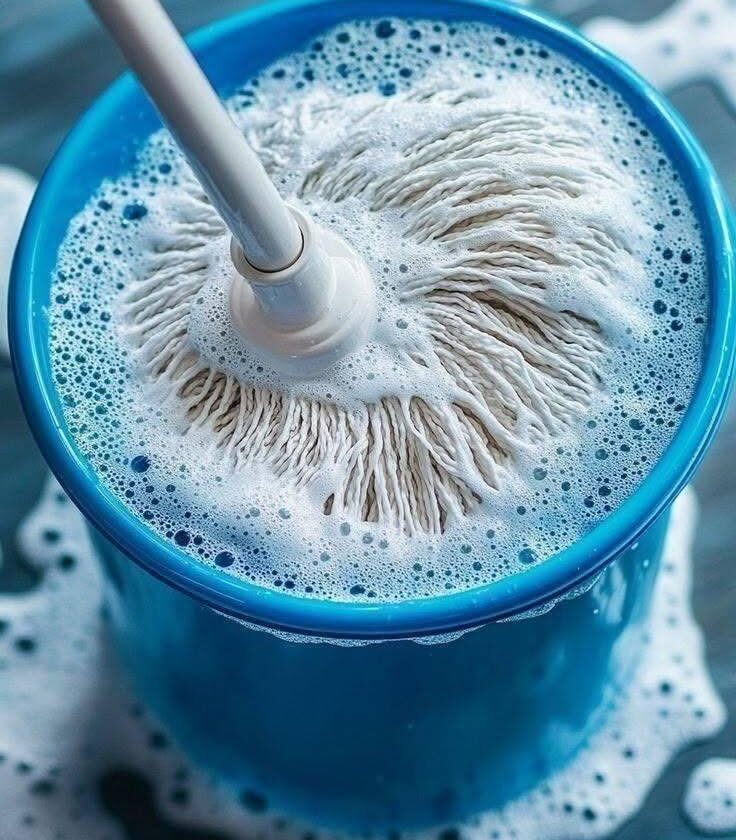
🪣 A simple way to clean a mop and bucket
For the bucket:
- Empty the dirty water immediately after mopping.
- Wash the bucket with warm water and a little detergent.
- If you want to use vinegar for odor or mineral buildup, wipe/rinse with a diluted white-vinegar solution.
- Rinse thoroughly and allow the bucket to air-dry completely.
For the mop:
- Rinse the mop head thoroughly after use.
- Launder a washable mop head according to its care instructions.
- Let it dry completely before storing it.
This drying step is important because damp mop heads can become a reservoir for microorganisms. The CDC recommends laundering mop heads after use and allowing them to dry before reuse.
🦠 What if someone in the house is sick?
That’s when ordinary cleaning and disinfection are different things. The CDC recommends cleaning first and, when disinfection is needed, using an appropriate EPA-registered disinfectant according to its label.
⚠️ Never mix vinegar with bleach
This is the most important safety rule. Vinegar is an acid, and mixing it with bleach can release dangerous chlorine gas. Never combine vinegar with bleach or other cleaning chemicals.