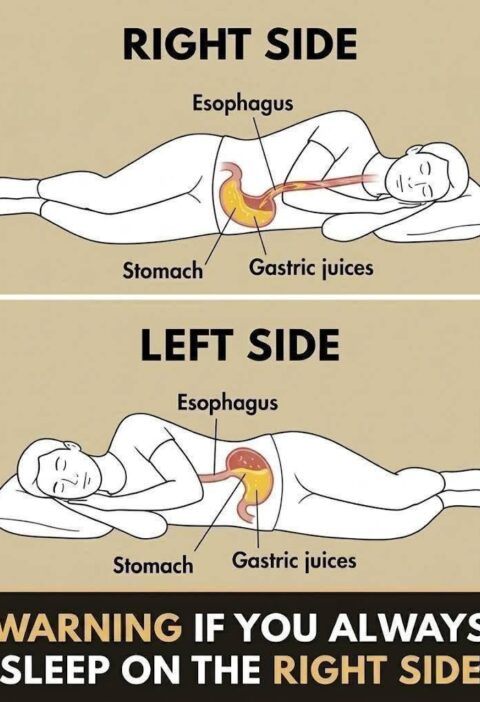
That kind of statement is very serious, but it’s also too broad as written. No one can say “these tablets” in general without specifying which medicine. Different drugs have completely different risks.
Here’s what matters:
1. Some medicines can slightly increase clot risk—but only specific ones
Certain medications are known (in some people) to raise risk, for example:
- Some hormonal contraceptives
- Hormone replacement therapy
- A few cancer treatments
- In rare cases, some anti-inflammatory drugs may increase cardiovascular risk with long-term use
But this depends heavily on:
- Dose
- Personal health history
- Age
- Smoking status
- Genetics
- Duration of use
2. Many medicines reduce clot risk instead of causing it
For example:
- Blood thinners (anticoagulants) are specifically used to prevent clots
- Some heart medications improve circulation and reduce risk of heart attack
3. Fear headlines are often misleading
Warnings written in ALL CAPS usually come from social media posts or ads, not balanced medical guidance. Real medical warnings are always:
- Specific to a drug name
- Based on clinical evidence
- Explained with probabilities, not absolute fear language
What you should do with claims like this
Instead of reacting to the warning itself, ask:
- Which exact tablet is being talked about?
- Is this based on a study or just a viral claim?
- Does it apply to everyone or only certain risk groups?
If you want
Tell me the name of the tablet you saw in that warning, and I’ll explain:
- whether the risk is real or exaggerated
- how strong the evidence is
- who actually needs to be careful (if anyone)