“Good Sleep With Chinese Methods – Method #3: Acupressure Combining Water and Fire”
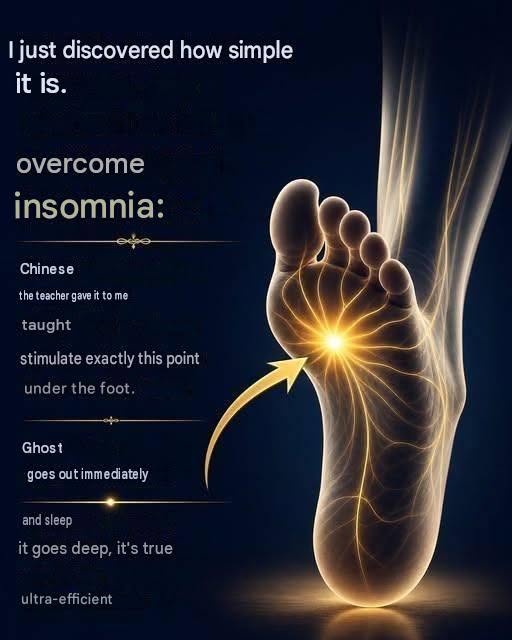
If you’re referring to a traditional Chinese medicine (TCM) sleep technique, “water and fire” is a traditional concept rather than a medically established mechanism. Acupressure involves applying pressure to specific points on the body, and some studies suggest it may modestly improve sleep quality, but the evidence is still limited and variable.
A gentle acupressure routine before bed
You can try these points with comfortable, gentle pressure for about 1–2 minutes each:
Yin Tang (EX-HN3): The point between the eyebrows. Use a fingertip and make small, gentle circles.
Shen Men (HT7): On the wrist crease, on the little-finger side. Press gently rather than forcefully.
Nei Guan (PC6): On the inner forearm, roughly three finger-widths above the wrist crease between two tendons.
Stop if you experience pain, numbness, dizziness, or worsening symptoms.
Don’t overlook proven sleep habits
Acupressure shouldn’t replace evaluation of persistent insomnia. For better sleep, also try:
Keeping a consistent sleep and wake time.
Limiting caffeine later in the day.
Avoiding heavy meals and alcohol close to bedtime.
Keeping the bedroom dark, quiet, and comfortably cool.
Getting regular daytime physical activity.
For chronic insomnia, cognitive behavioral therapy for insomnia (CBT-I) has substantially stronger evidence than acupressure and is recommended as a first-line treatment. (aasm.org
)
Important: Don’t interpret “water and fire” or any particular pressure point as a way to diagnose or treat an organ imbalance. TCM terminology and modern medical explanations are not interchangeable.