Vitamin E Supplements and Stroke Risk in Seniors: What You Should Know
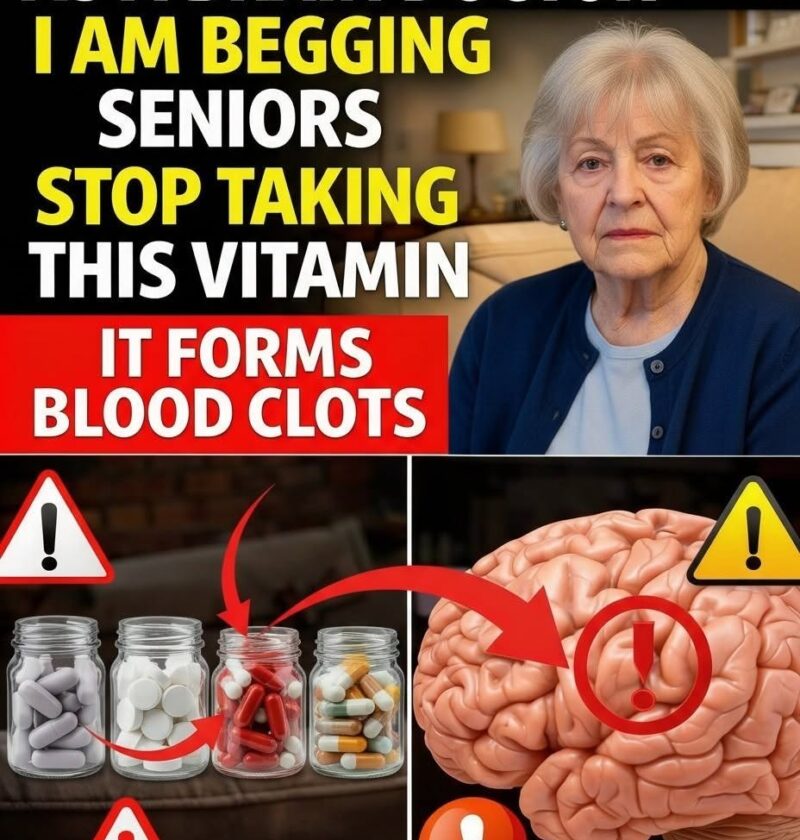
Vitamin E is an essential nutrient, but taking a high-dose vitamin E supplement is not a proven way to prevent stroke. In fact, some research has found an increased risk of hemorrhagic stroke, a type of stroke caused by bleeding in the brain.
O
ODSPortal
+1
Why seniors should be cautious
A large meta-analysis of randomized trials found that vitamin E did not reduce overall stroke risk, while hemorrhagic stroke risk was increased by about 22% in the analyzed trials.
P
PubMed
More recent evidence remains inconclusive about any stroke-prevention benefit, so vitamin E supplements shouldn’t be started specifically to prevent stroke.
P
PubMed
+1
Food is different
Vitamin E naturally found in foods is considered safe. Good sources include:
Almonds and other nuts
Sunflower seeds
Vegetable oils
Spinach and other leafy greens
Fortified cereals
The recommended daily amount for adults is about 15 mg of vitamin E.
O
ODSPortal
+1
Be especially careful with blood thinners
High-dose vitamin E can increase bleeding risk and may interact with anticoagulant or antiplatelet medicines. This is particularly important for older adults taking medicines such as warfarin, apixaban, rivaroxaban, or antiplatelet drugs.
N
NCCIH
Don’t stop a prescribed blood thinner or vitamin E supplement abruptly without discussing it with your doctor or pharmacist.
Bottom line: For most people, getting vitamin E from food is preferable to taking high-dose supplements. Vitamin E should not be considered a stroke-prevention treatment.
O
P
N
Sources