11 Body Signals That Are Too Often Ignored 🚨
Many symptoms are harmless, but persistent, unexplained, or sudden changes deserve attention. Here are 11 signals worth discussing with a healthcare professional:
Unexplained weight loss — Losing weight without changing your diet or activity can have many causes and shouldn’t automatically be blamed on aging.
Persistent or unusual fatigue — Ongoing exhaustion can occur with anemia, thyroid problems, sleep disorders, infections, medication effects, and many other conditions.
A new or changing lump — A new lump, particularly one that persists or grows, should be examined.
Blood where it shouldn’t be — Blood in the stool, urine, or vomit, or coughing up blood, warrants medical attention.
A persistent change in bowel or bladder habits — New, lasting changes in frequency, appearance, constipation, diarrhea, or urination deserve evaluation.
A wound that doesn’t heal — Particularly important if you have diabetes or circulation problems.
Persistent difficulty swallowing — Repeated trouble swallowing food or liquids isn’t something to simply accept as part of aging.
New or worsening shortness of breath — Especially if it occurs at rest, with chest pain, or is significantly worse than usual.
Persistent changes in vision — Sudden vision loss or major sudden visual changes require urgent assessment.
New neurological changes — New weakness, numbness, confusion, difficulty speaking, or loss of coordination can be signs of a stroke and require emergency care.
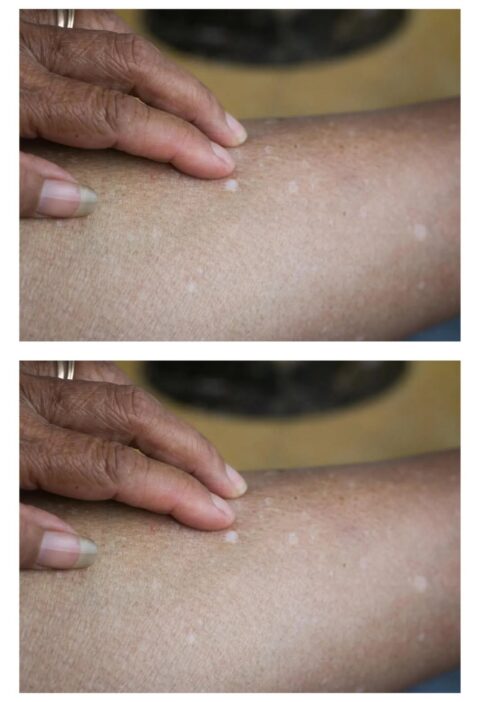
A persistent change in a mole or skin lesion — Changes in size, shape, color, or bleeding should be checked by a healthcare professional.
🚨 Some symptoms shouldn’t wait
Sudden facial drooping, arm weakness, speech difficulty, severe chest pain, severe breathing difficulty, fainting, or sudden vision loss can be emergencies. Don’t wait for them to disappear on their own.
And remember: having one of these symptoms doesn’t mean you have cancer or another serious disease. Many have benign or treatable explanations. The important point is to notice significant changes and get appropriate medical advice rather than ignoring them.