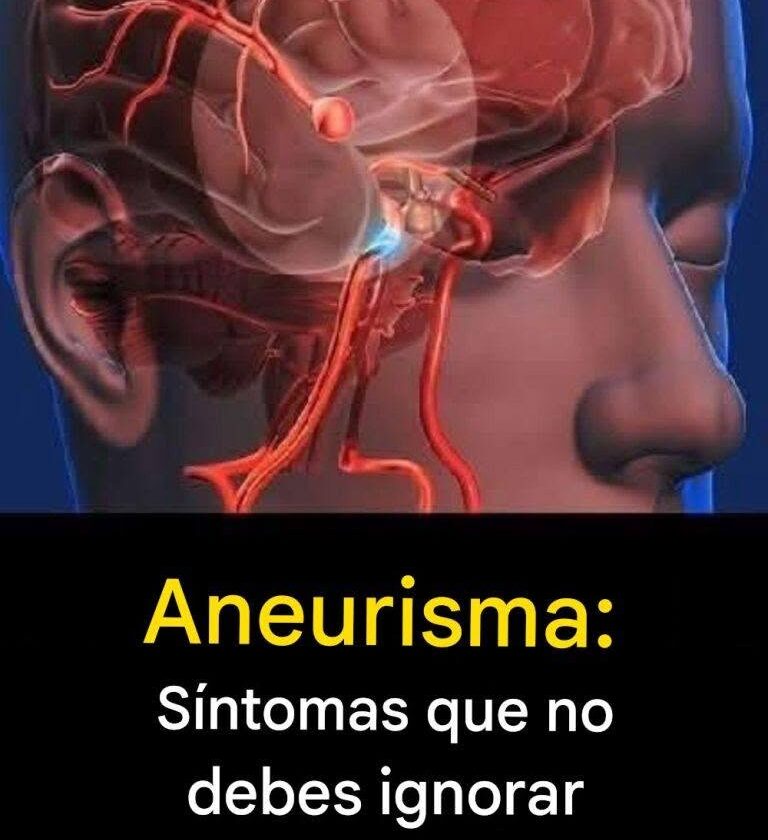
Aneurysm: Signs You Shouldn’t Ignore
An aneurysm is a weakened area in a blood-vessel wall that bulges outward. Many aneurysms cause no symptoms and are discovered incidentally. The warning signs depend on where the aneurysm is located.
N
nhs.uk
+1
If it’s a brain aneurysm
A larger, unruptured brain aneurysm can sometimes cause:
A persistent or unusual headache
Pain around or above one eye
Double or otherwise changed vision
Dizziness or balance problems
Numbness or weakness on one side of the face
Difficulty speaking or concentrating
Short-term memory problems
N
nhs.uk
But a ruptured brain aneurysm is the emergency to recognize. The classic symptom is a sudden, extremely severe headache, often called a thunderclap headache. It may occur with neck stiffness, nausea or vomiting, sensitivity to light, confusion, loss of consciousness, seizure, vision problems, or weakness/numbness on one side.
N
nhs.uk
+1
If a sudden severe headache or these neurological symptoms occur, seek emergency medical care immediately. Do not wait to see if they go away.
N
nhs.uk
Don’t assume every headache is an aneurysm
Most headaches are not caused by aneurysms. Likewise, most brain aneurysms do not rupture. Risk is increased by factors including smoking, uncontrolled high blood pressure, and a close family history of brain aneurysms.
N
nhs.uk
+1
If you meant aortic aneurysm rather than a brain aneurysm, the warning signs are different—particularly sudden severe chest, back, or abdominal pain.
N
Sources