That headline is partly true, but it often oversells the effect.
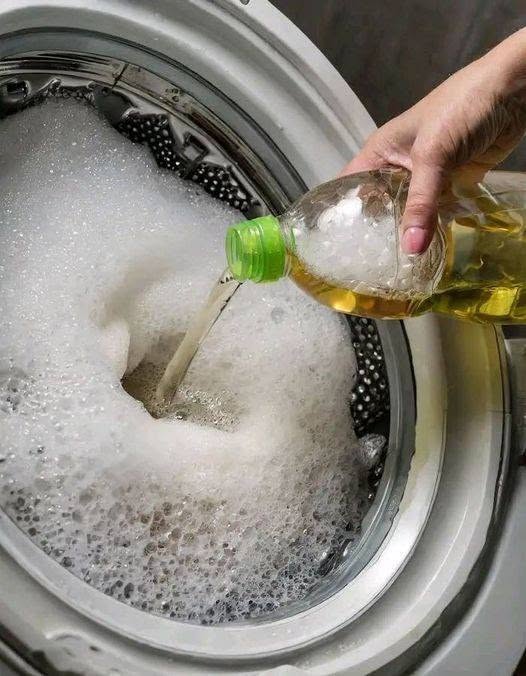
White vinegar can help with laundry, especially for removing detergent residue that makes fabrics feel stiff or look dull. However, it doesn’t literally “bleach” clothes white the way chlorine bleach does.
How to use vinegar for softer towels
- Add ½ to 1 cup of white distilled vinegar to the rinse cycle (or the fabric softener dispenser).
- Don’t mix it directly with chlorine bleach.
- Vinegar helps remove soap and mineral buildup that can make towels feel rough.
How to use vinegar for brighter whites
- Add ½ to 1 cup of white vinegar to the wash cycle along with your regular detergent.
- For dingy whites, soak them in warm water with vinegar for about an hour before washing.
- It works best when dullness is caused by residue buildup, not deep stains.
Common mistakes
- Using too much vinegar: More is not necessarily better.
- Expecting it to replace detergent: It complements detergent but doesn’t clean heavily soiled clothes by itself.
- Mixing with bleach: This can release irritating chlorine gas.
- Using it on every load indefinitely: Occasional use is usually sufficient.
What vinegar won’t do
- Turn yellowed fabrics bright white overnight.
- Replace stain removers for tough stains.
- Restore worn-out towels whose fibers are physically damaged.
So the “right way” is usually: use a moderate amount of white vinegar in the rinse cycle to remove residue and soften fabrics naturally, rather than pouring large amounts directly onto clothes or using it as a miracle whitening agent.