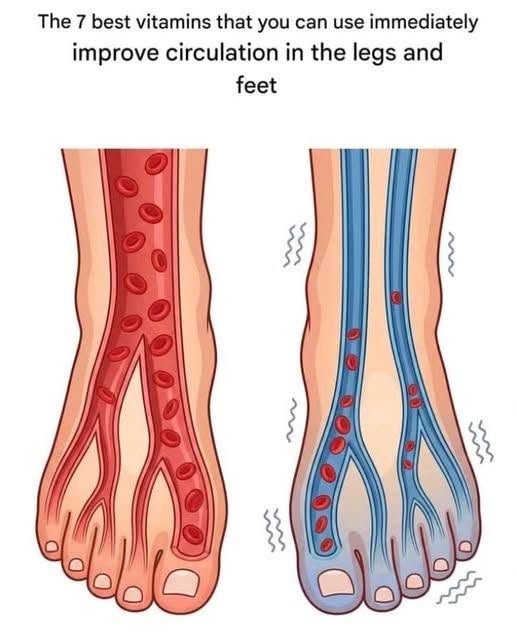
If you saw a headline like “Suffering from poor circulation? Here’s how to fix it in just 20 minutes!”, treat it with skepticism.
Poor circulation is usually a symptom of an underlying issue—such as diabetes, smoking-related vascular disease, high blood pressure, blood clots, or peripheral artery disease—and it generally cannot be permanently fixed in 20 minutes. (Cleveland Clinic)
What can happen in 20 minutes is a temporary improvement in blood flow. For example:
- A brisk walk
- Ankle pumps and calf raises
- Marching in place
- Stretching after long periods of sitting
These activities activate the leg muscles, which help pump blood back toward the heart and can reduce feelings of stiffness, heaviness, or cold feet. (Health)
For longer-term improvement, healthcare sources commonly recommend:
- Regular exercise
- Maintaining a healthy weight
- Not smoking
- Managing diabetes, blood pressure, and cholesterol
- Following treatment for any underlying vascular condition (Cleveland Clinic)
If you have symptoms such as persistent cold hands or feet, leg pain when walking, numbness, swelling, skin color changes, or sores that heal poorly, it’s worth discussing them with a healthcare professional, as those can indicate a circulation problem that needs evaluation. (Cleveland Clinic)
If you share the specific symptoms you’re experiencing, I can help explain what might be causing them and what steps are typically recommended.