That claim is overstated, but there’s a kernel of truth.
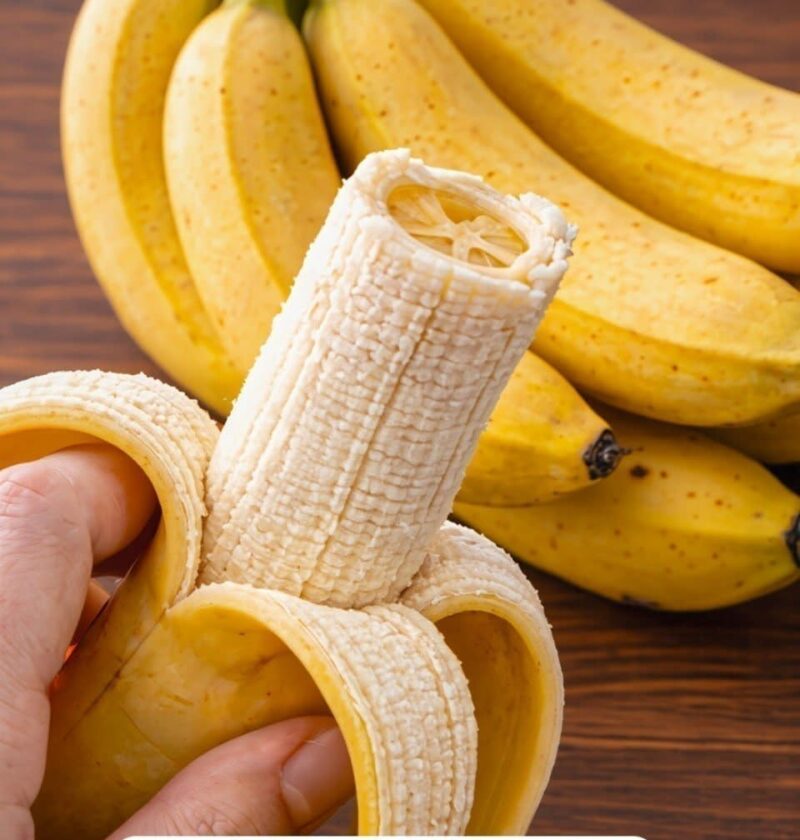
A banana a day can be a healthy habit for many people over 60, but it’s not “remarkable” in a medical, transformative sense.
What a banana actually provides
A medium banana (like those commonly eaten) contains:
- Potassium → supports heart rhythm, blood pressure, and muscle function
- Fiber → helps digestion and bowel regularity
- Vitamin B6 → supports brain and nerve function
- Natural carbohydrates → quick energy
Potential benefits for older adults
For people over 60, bananas may help with:
- Mild constipation (thanks to fiber)
- Muscle cramps (if potassium intake is low)
- General energy support
- Heart health as part of a balanced diet
What the claim leaves out
A banana:
- Does not prevent disease by itself
- Does not significantly “reverse aging”
- Is not a treatment for high blood pressure or heart disease
- Won’t replace a balanced diet or medication if needed
Also, potassium balance is more complex—some people (especially with kidney disease) must limit potassium, so bananas aren’t automatically beneficial for everyone.
The real takeaway
Bananas are:
- A healthy, convenient fruit
- Helpful as part of a varied diet
But they are not a special anti-aging or miracle food, despite viral posts suggesting otherwise.
Bottom line
Eating a banana a day is generally fine and can support nutrition, but longevity and health in older age come from overall diet patterns, not a single fruit.
If you want, I can list the most evidence-backed foods for healthy aging (not hype-based ones).