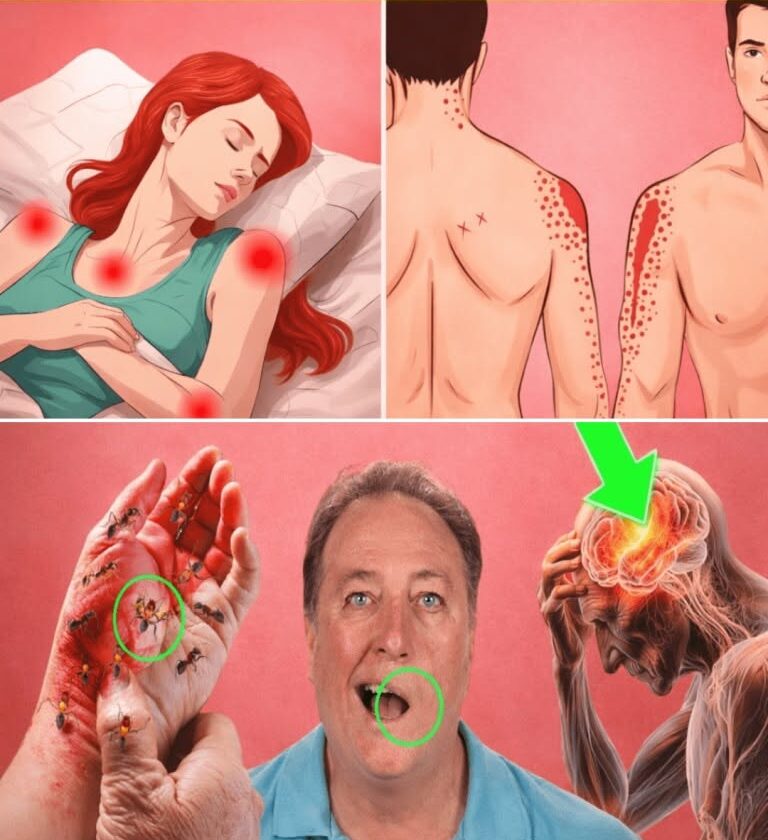
That headline is misleading. A true stroke usually happens suddenly, not gradually over a week.What some articles are actually referring to are warning events called mini-strokes or transient symptoms.The correct medical term is:Transient ischemic attack (TIA)
🧠 Can a stroke have warning signs a week before?
Sometimes people experience a TIA days or weeks before a major stroke, but:
- symptoms are usually sudden
- they last minutes to a few hours
- then fully resolve
A TIA is a major warning sign, not a slow “early stage stroke.”
⚠️ Real warning signs (TIA / stroke-like symptoms)
These can include:
1. Sudden weakness or numbness
- Face, arm, or leg (often one side)
2. Sudden speech trouble
- Slurred speech
- Difficulty finding words
3. Sudden vision changes
- Blurred or double vision
- Temporary loss of vision in one eye
4. Sudden dizziness or imbalance
- Trouble walking
- Loss of coordination
5. Sudden confusion
- Difficulty understanding others
6. Sudden severe headache (less common)
- Especially in bleeding-type strokes
🧠 Why “1 week before stroke” articles are misleading
They often mix:
- normal aging symptoms (fatigue, dizziness)
- blood pressure changes
- anxiety or stress symptoms
- TIAs (which are short-lived emergencies)
into one exaggerated list.
🚨 Important medical reality
If symptoms appear—even if they disappear:
- it is still an emergency
- risk of full stroke is high in the next hours to days
🧾 Bottom line
There is no reliable set of symptoms that predict a stroke a week in advance. The closest real warning is a TIA, which causes sudden, temporary stroke-like symptoms.
If you want, I can also explain:
- how to tell stroke vs migraine vs anxiety
- or what actually reduces stroke risk in daily life (evidence-based, not viral tips)