Night cramps (also called nocturnal leg cramps) are sudden, painful muscle contractions that often happen in the calves or feet during sleep.
Nocturnal leg cramps can affect anyone, but some people are more likely to experience them.
🧓 Who is most at risk?
1. Older adults
- Risk increases significantly after age 50
- Muscles and nerves become more sensitive with age
- More common in seniors at night or during rest
2. Pregnant women
- Especially in the second and third trimester
- Due to changes in circulation, minerals, and muscle strain
3. People who are dehydrated
- Low fluid levels can affect muscle function
- More likely after sweating, heat, or low water intake
4. People with certain medical conditions
Higher risk if you have:
- Diabetes
- Peripheral nerve problems
- Circulation issues
- Kidney disease
5. People taking certain medications
Some medicines can increase risk, such as:
- Diuretics (“water pills”)
- Some asthma medications
- Statins (in some cases)
6. People who overuse or underuse muscles
- Athletes after intense exercise
- People who sit or stand for long periods
🧠 Why night cramps happen
Most cases are linked to:
- Muscle fatigue or overuse
- Nerve irritation
- Electrolyte imbalance (magnesium, potassium, calcium)
- Poor circulation or positioning during sleep
💡 Simple prevention tips
- Stretch calves before bed
- Stay well hydrated
- Light daily exercise
- Avoid long periods of sitting
- Gentle massage or warm bath before sleep
🚨 When to see a doctor
Seek advice if cramps:
- Are very frequent or worsening
- Cause severe sleep disruption
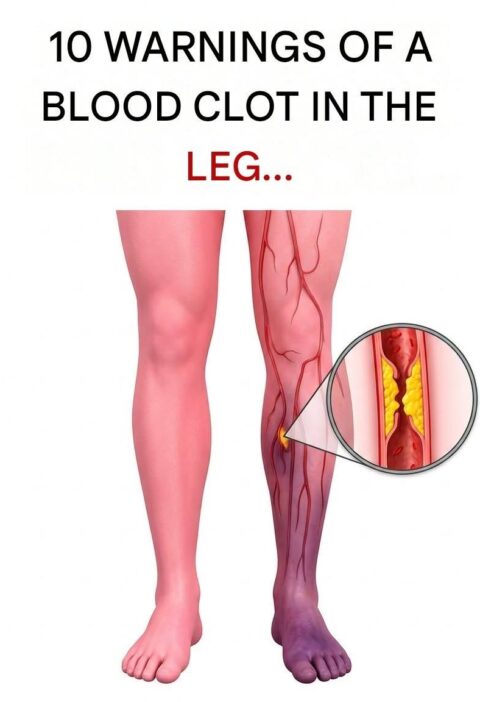
- Come with swelling, weakness, or numbness
🧠 Bottom line
Night cramps are common and usually harmless, but risk increases with age, pregnancy, dehydration, inactivity, and certain medical conditions.
If you want, I can show you the most effective stretches that actually reduce night cramps quickly.