Blood clots can be serious, but they are also treatable, especially when recognized early. The symptoms depend on where the clot forms.
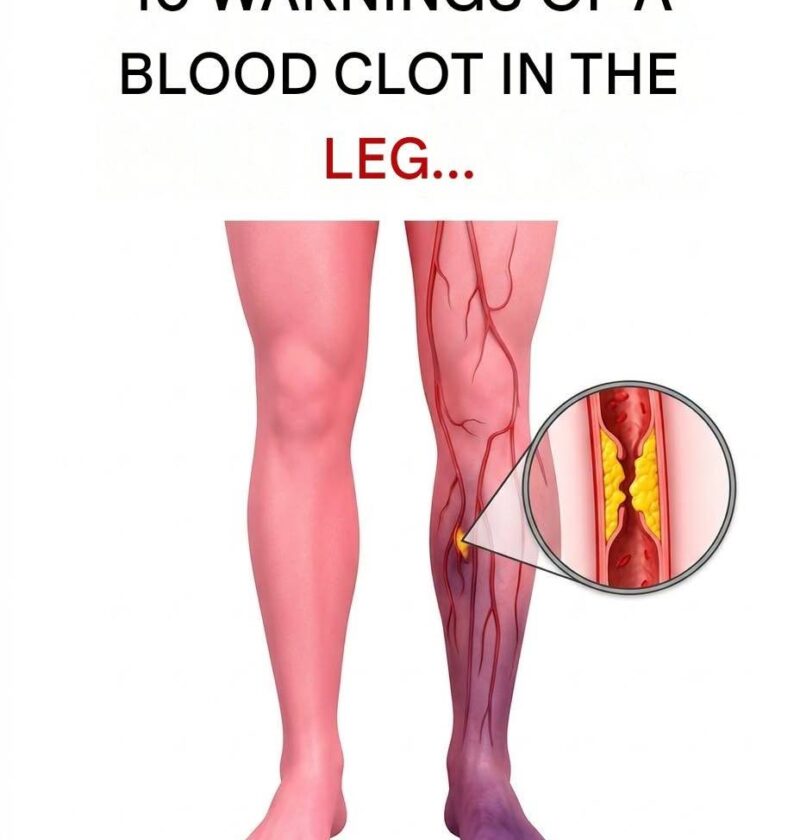
Signs of a blood clot in the leg (deep vein thrombosis, or DVT)
- Swelling, usually in one leg.
- Pain or tenderness, often in the calf or thigh.
- Warmth over the affected area.
- Red or discolored skin.
Signs a clot has traveled to the lungs (pulmonary embolism)
This is a medical emergency. Symptoms may include:
- Sudden shortness of breath.
- Sharp chest pain that may worsen with deep breaths.
- Cough, sometimes with blood.
- Rapid heartbeat.
- Feeling faint or dizzy.
Signs of a clot causing a stroke
Seek emergency care immediately if someone develops:
- Sudden weakness or numbness, especially on one side of the body.
- Difficulty speaking or understanding speech.
- Sudden vision changes.
- Loss of balance or coordination.
- A sudden, severe headache with no obvious cause.
Who is at higher risk?
Risk factors include:
- Recent surgery or hospitalization.
- Long periods of immobility (such as long flights or bed rest).
- Pregnancy and the weeks after childbirth.
- Certain cancers.
- Smoking.
- Obesity.
- Estrogen-containing medications (such as some birth control pills or hormone therapy).
- A personal or family history of blood clots.
When to seek help
Get emergency medical care if you have symptoms of a pulmonary embolism or stroke. If you develop new swelling, pain, warmth, and redness in one leg, seek prompt medical evaluation, as these can be signs of a deep vein thrombosis.
Many other conditions can cause similar symptoms, so symptoms alone cannot diagnose a blood clot. Imaging tests, such as an ultrasound for a suspected DVT or a CT scan for a suspected pulmonary embolism, are often needed to confirm the diagnosis. Early treatment can greatly reduce the risk of serious complications.