Urine color can give quick clues about hydration, diet, and sometimes health problems—but it’s not a diagnosis on its own. Here’s a simple guide:
🟡 1. Pale yellow (straw color) — Normal
This is ideal.
- You’re well hydrated
- Kidneys are working normally
💛 2. Dark yellow — Mild dehydration
Very common.
- You may not be drinking enough water
- Can also happen after sweating, heat, or exercise
👉 Fix: drink more fluids
🟠 3. Amber or honey-colored — Dehydration
- More concentrated urine
- Body conserving water
If it stays like this even after drinking water, it may need attention.
🟤 4. Brown or cola-colored — Possible concern
Can be caused by:
- Severe dehydration
- Liver issues (bile problems)
- Muscle breakdown (rare but serious)
- Certain medications
👉 If it’s not from food or dehydration, it should be checked.
🔴 5. Pink or red — Blood or food pigments
Possible causes:
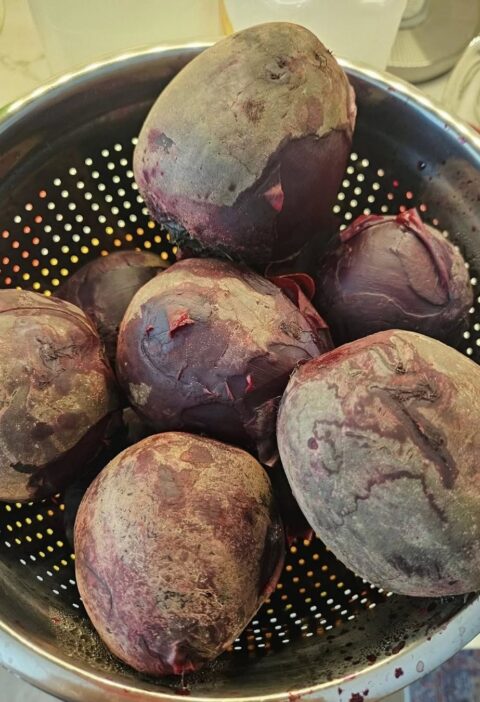
- Beets, berries (harmless)
- Or blood in urine
Could indicate:
- Urinary Tract Infection
- Kidney stones
- Kidney or bladder issues
👉 Needs medical evaluation if unexplained
🟢 6. Green or blue — Rare
Usually from:
- Certain medications
- Food dyes
- Rare bacterial infections
Not common, but usually not dangerous if explained.
⚪ 7. Cloudy urine
May indicate:
- Infection
- Dehydration
- Crystals or minerals
- Sometimes normal in the morning
If persistent or with pain → possible Urinary Tract Infection
🫧 8. Foamy urine
Can be harmless (fast urination), but if persistent:
- May suggest excess protein in urine
- Possible kidney stress
⚠️ When to worry
See a doctor if you notice:
- Blood (red/pink) without food cause
- Pain or burning during urination
- Fever or back pain
- Persistent dark or foamy urine