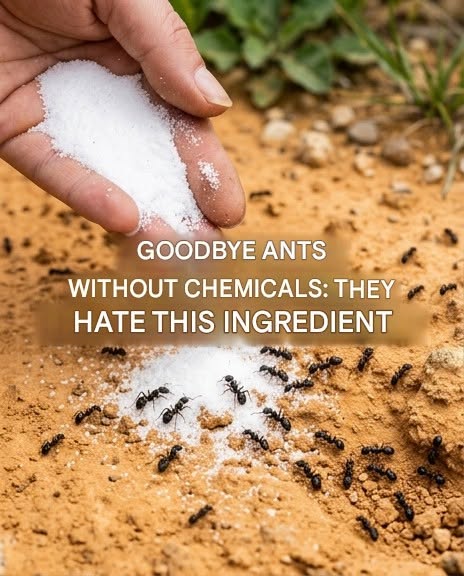
Ants (part of the family Formicidae) use chemical trails (pheromones) to navigate, so most DIY repellents only interfere temporarily.
What actually works (short-term deterrents)
These can help reduce activity, but they are not permanent solutions:
- Vinegar + water: Wipes away scent trails ants follow
- Lemon juice: Masks pheromone trails
- Cinnamon or peppermint oil: Mild deterrent due to strong smell
- Soap + water: Breaks down trail chemicals
These work best for small, recent infestations, not established colonies.
Why ants keep coming back
If ants are persistent, it usually means:
- Food crumbs or sugar sources are available
- Water leaks or moisture areas exist
- There’s an outdoor nest nearby
- Entry points (cracks, gaps) are open
No smell or spice fixes that root cause.
What actually gets rid of ants long-term
1. Eliminate food sources
- Store food in sealed containers
- Clean spills immediately
- Don’t leave pet food out
2. Block entry points
- Seal cracks in walls, windows, and floors
- Use caulk or silicone sealant
3. Use bait (most effective DIY method)
Ant baits are more effective than sprays because:
- Worker ants carry poison back to the colony
- It can eliminate the source, not just visible ants
4. Maintain dryness
Fix leaks and reduce moisture—ants often follow water.
Bottom line
There is no “one thing ants can’t stand that keeps them away forever.” Temporary repellents may reduce activity, but lasting control comes from removing food, sealing entry points, and targeting the colony.
If you want, tell me where the ants are coming from (kitchen, bathroom, bedroom), and I can suggest a more targeted solution.