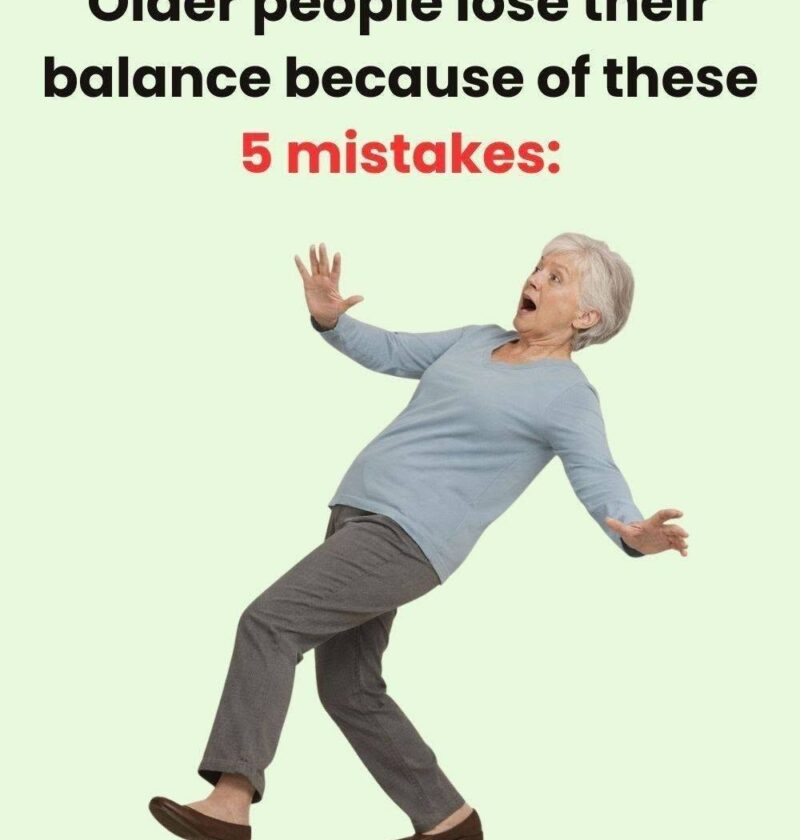
Balance problems in older adults are usually not caused by a single issue. They often come from a mix of physical, medical, and lifestyle factors. Small, common mistakes can quietly increase the risk of dizziness, instability, and falls.
One major mistake is not staying physically active. As people age, muscle strength—especially in the legs and core—naturally declines. If someone becomes less active, this weakness accelerates. Reduced strength makes it harder to stabilize the body during walking, turning, or getting up from a chair, which directly affects balance.
Another common issue is poor hydration and nutrition. Dehydration can cause lightheadedness and low blood pressure, both of which affect stability. Similarly, low intake of protein, vitamin D, and B vitamins can weaken muscles and impair nerve function, making coordination less reliable.
Many older adults also struggle with medication side effects or interactions. Blood pressure medicines, sedatives, antidepressants, and even some allergy medications can cause dizziness or drowsiness. Taking multiple medications without regular review increases this risk significantly.
Ignoring vision or hearing changes is another overlooked factor. Poor eyesight makes it harder to judge distance and detect obstacles, while hearing loss affects spatial awareness and reaction time. Together, they reduce the body’s ability to respond quickly to imbalance.
A very practical mistake is unsafe home environments. Cluttered walkways, loose rugs, poor lighting, and lack of grab bars in bathrooms are common causes of falls. These hazards become much more dangerous when reaction time and balance are already reduced.
Some people also rely too much on inactivity after a minor fall or fear of falling again. This leads to a cycle: less movement → weaker muscles → worse balance → higher fall risk.
Finally, untreated health conditions like inner ear disorders, diabetes-related nerve damage, or low blood pressure when standing (orthostatic hypotension) can silently disrupt balance if not properly managed.
If you want, I can also break this down into a simple prevention plan or exercises that specifically improve balance in older adults.