How to Remove Moisture and Mold From Walls
The key is to fix the moisture source first. Cleaning mold without addressing the leak, condensation, or high humidity usually means it will return. EPA guidance recommends keeping indoor humidity below 60%, ideally around 30–50%.
A practical method
Find and stop the moisture
Repair leaking pipes or roofs.
Improve bathroom/kitchen ventilation.
Use a dehumidifier if humidity is high.
Move furniture slightly away from damp exterior walls.
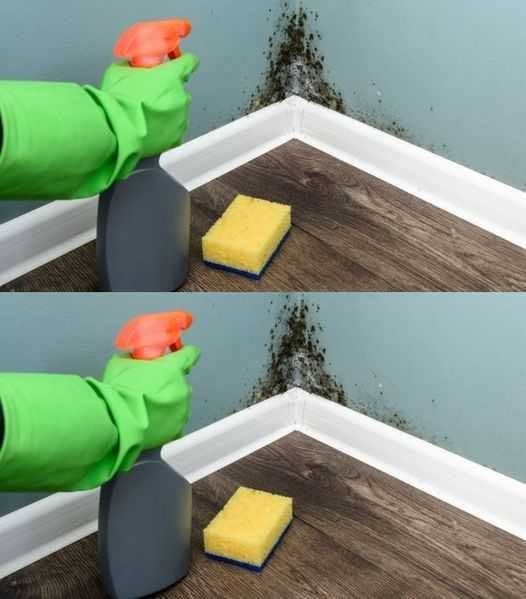
For a small area of surface mold
Wear gloves, eye protection, and preferably an N95 respirator.
Increase ventilation.
Clean hard, nonporous surfaces with detergent and water, then dry completely.
Don’t simply paint over mold; the underlying problem needs to be corrected first.
Be careful with porous materials
Mold can penetrate drywall, wallpaper, carpet, ceiling tiles, and insulation. Severely moldy porous materials may need to be removed and replaced, rather than repeatedly sprayed or scrubbed.
Don’t mix cleaning chemicals
In particular, never mix bleach with ammonia, acids, vinegar, or other cleaners, because dangerous gases can form.
When not to DIY
If the mold covers more than about 10 square feet, results from significant water damage, keeps returning, or may involve contaminated water, professional remediation is a safer option.
If you’re dealing with black patches on a bedroom or bathroom wall, tell me what the wall is made of (painted plaster, drywall, concrete, etc.) and roughly how large the area is, and I can give you the safest step-by-step method.