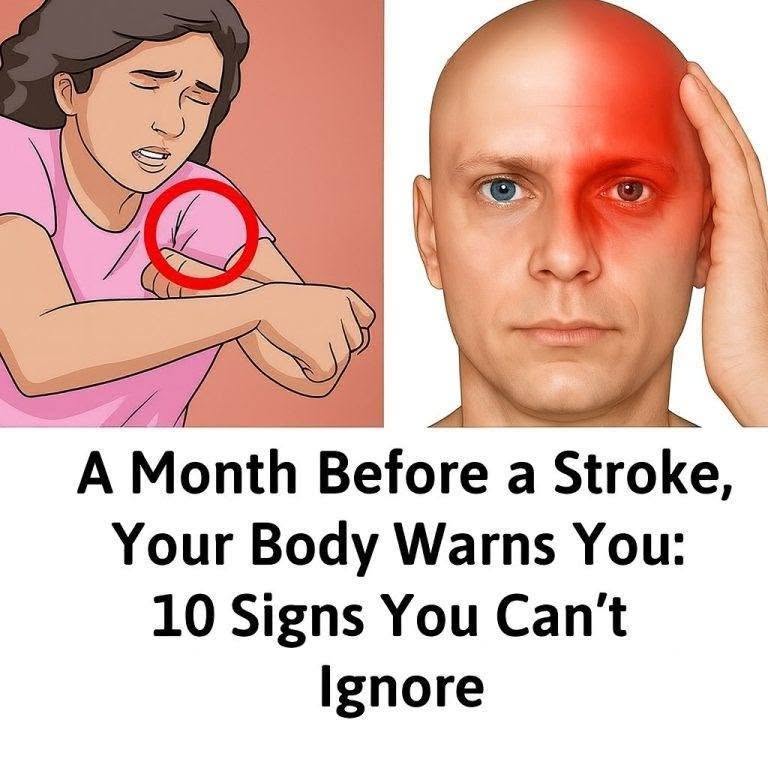
That said, some symptoms can indicate an increased risk or a transient ischemic attack (TIA), sometimes called a “mini-stroke.” A TIA is a medical emergency because it can precede a major stroke.
Warning signs that should never be ignored
- Sudden weakness or numbness, especially on one side of the face, arm, or leg.
- Sudden difficulty speaking or understanding speech.
- Sudden vision loss or blurred vision in one or both eyes.
- Sudden dizziness, loss of balance, or trouble walking.
- A sudden, severe headache unlike any you’ve had before, especially if accompanied by other neurological symptoms.
These symptoms may last only a few minutes and then disappear (a TIA), but they still require immediate emergency evaluation.
Other factors that increase stroke risk
These are not warning signs of an imminent stroke, but they increase the likelihood of having one:
- High blood pressure
- Diabetes
- High cholesterol
- Smoking
- Atrial fibrillation (an irregular heart rhythm)
- Obesity
- Physical inactivity
- Excessive alcohol use
Remember FAST
A simple way to recognize a stroke is the FAST acronym:
- F – Face: Does one side of the face droop?
- A – Arms: Does one arm drift downward when raised?
- S – Speech: Is speech slurred or difficult?
- T – Time: Call your local emergency services immediately if any of these signs are present. Rapid treatment can significantly improve outcomes.
The bottom line
There is no reliable “one month before” checklist that predicts a stroke. However, any sudden neurological symptoms—even if they resolve quickly—should be treated as an emergency because they may be a TIA or an evolving stroke. Prompt medical attention can help prevent permanent disability and may save a life.