What it means
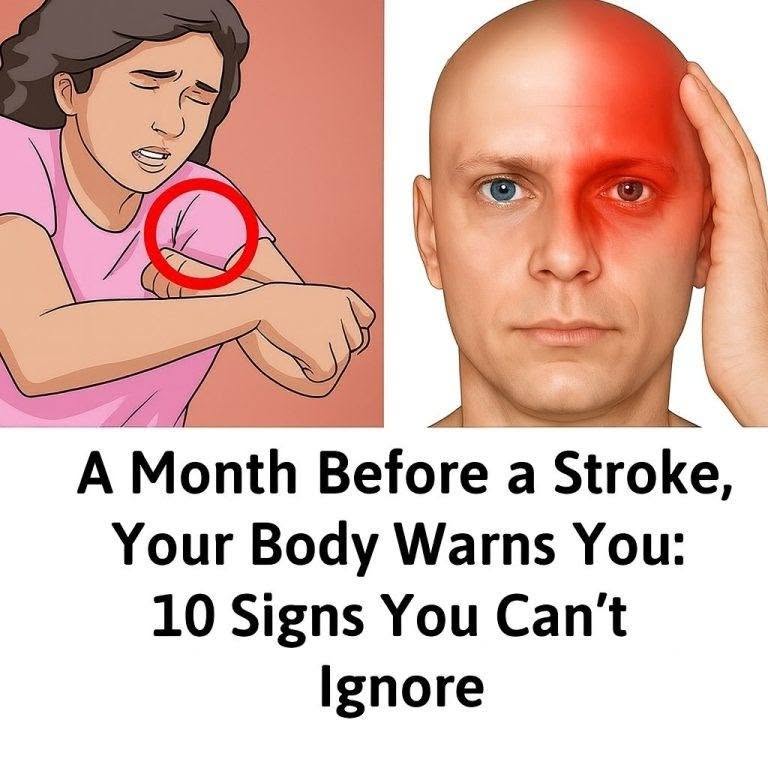
1. “A month before a stroke, your body warns you”
This wording implies that there are predictable signs weeks before a stroke. In reality, some people may experience warning symptoms before certain strokes, especially a transient ischemic attack (TIA), sometimes called a “mini-stroke,” but many strokes happen suddenly without clear advance warnings.
A TIA can be a temporary blockage of blood flow to the brain and may cause stroke-like symptoms that resolve quickly. It is still a medical emergency because it can signal a higher risk of a future stroke.
2. Possible warning signs not to ignore
Common stroke warning signs include:
- Sudden weakness or numbness
- Especially on one side of the face, arm, or leg.
- Face drooping
- One side of the face may feel weak or appear uneven.
- Speech problems
- Slurred speech, trouble finding words, or difficulty understanding others.
- Sudden confusion
- Unusual difficulty thinking clearly or following conversation.
- Vision changes
- Sudden blurred vision, loss of vision, or double vision.
- Severe sudden headache
- Especially a headache unlike previous ones.
- Dizziness or loss of balance
- Trouble walking, coordination problems, or feeling unsteady.
- Weakness or clumsiness
- Difficulty using an arm or hand normally.
- Trouble swallowing
- Difficulty moving food or liquids safely.
- Temporary symptoms that disappear
- Symptoms that last minutes and then improve can still be a warning sign of a TIA.
Remember the FAST warning method
- F — Face: Is one side of the face drooping?
- A — Arms: Is one arm weak or numb?
- S — Speech: Is speech strange or difficult?
- T — Time: Call emergency services immediately if these occur.
Important note
A stroke is a medical emergency. Do not wait to see if symptoms improve, even if they disappear after a short time.
Overall meaning of the headline:
“Learn the possible warning signs of stroke and seek urgent medical help if they appear.”