What Is Atorvastatin and Why Is It Commonly Prescribed?Atorvastatin is a prescription medication in the statin class. It is used to lower levels of LDL (“bad”) cholesterol and reduce the risk of cardiovascular events such as heart attacks and strokes.
How Atorvastatin Works
Atorvastatin blocks an enzyme in the liver called HMG-CoA reductase, which the body uses to produce cholesterol. As a result:
- LDL cholesterol decreases
- Total cholesterol decreases
- Triglycerides may decrease
- HDL (“good”) cholesterol may increase slightly
Common Reasons Doctors Prescribe It
Doctors often prescribe atorvastatin for people who:
- Have high LDL cholesterol
- Have existing heart disease
- Have had a heart attack or stroke
- Have diabetes and an elevated cardiovascular risk
- Have a strong family history of cardiovascular disease
- Are at high risk of developing heart disease based on age and other risk factors
Benefits
Research has shown that atorvastatin can:
- Lower cholesterol effectively
- Reduce the risk of heart attacks
- Reduce the risk of strokes
- Help prevent complications from cardiovascular disease
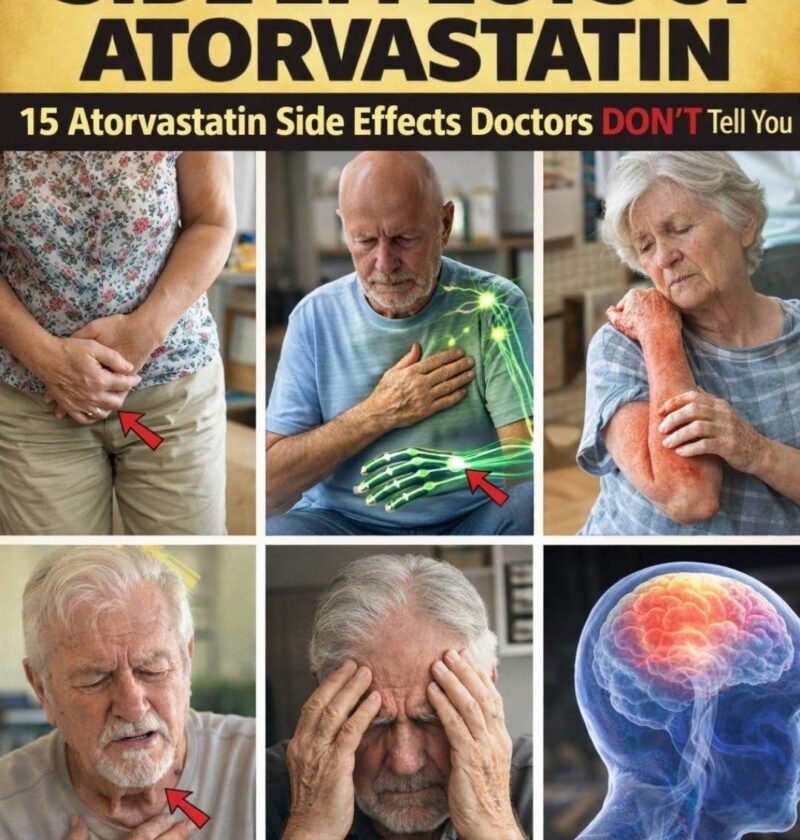
Common Side Effects
Most people tolerate atorvastatin well, but possible side effects include:
- Muscle aches or soreness
- Joint pain
- Headache
- Digestive symptoms (nausea, diarrhea, constipation)
Rare but Important Side Effects
Seek medical advice if you experience:
- Severe muscle pain or weakness
- Dark-colored urine
- Signs of liver problems (yellowing of the skin or eyes, unusual fatigue)
Important Considerations
- Take it exactly as prescribed.
- Continue lifestyle measures such as a healthy diet, exercise, and not smoking.
- Tell your doctor about other medications you take, as some drugs can interact with atorvastatin.
- Avoid large amounts of grapefruit or grapefruit juice unless your clinician says otherwise, as it can increase atorvastatin levels.
Bottom Line
Atorvastatin is one of the most commonly prescribed cholesterol-lowering medications because it is effective at reducing LDL cholesterol and lowering the risk of heart attacks and strokes in people who have cardiovascular disease or are at increased risk for it. It is not a cure for heart disease, but it is an important tool for prevention and treatment when used appropriately.