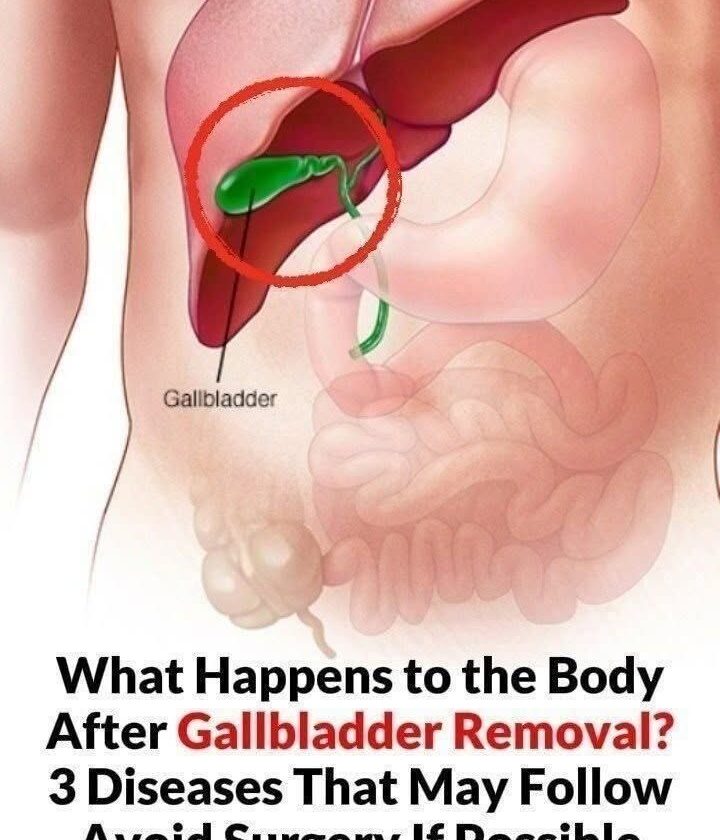
The gallbladder stores bile made by the liver and releases it during digestion. After removal, bile flows directly from the liver into the intestine. Most people adapt well.
Possible effects after gallbladder removal
1. Digestive changes
Some people experience:
- Loose stools or diarrhoea.
- Bloating or gas.
- Discomfort after eating fatty foods.
These symptoms are often temporary, but some people have longer-lasting changes.
2. Bile acid diarrhoea
In some people, extra bile reaching the colon can irritate the bowel and cause frequent, watery stools. This can often be treated with medicines that bind bile acids.
3. Changes in fat digestion
Because bile is no longer stored and released in larger amounts after meals, some people may find high-fat meals harder to tolerate.
Why gallbladder removal may be recommended
Doctors commonly recommend surgery for problems such as:
- Repeated painful gallstone attacks (biliary colic).
- Gallbladder inflammation (cholecystitis).
- Blocked bile ducts.
- Certain gallbladder complications.
Leaving serious gallbladder disease untreated can also carry risks, including infection, pancreatitis, or blockage of bile flow.
After surgery, many people do well by:
- Eating smaller meals at first.
- Gradually increasing dietary fat.
- Choosing a balanced diet with plenty of fibre.
- Monitoring which foods trigger symptoms.
The decision to remove a gallbladder should be based on the individual’s symptoms, risks, and diagnosis, not a general rule that surgery should be avoided. If someone has gallstones but no symptoms, monitoring may be appropriate in some cases; if there are complications, delaying surgery may be risky.