After gallbladder removal: 3 things that can happen
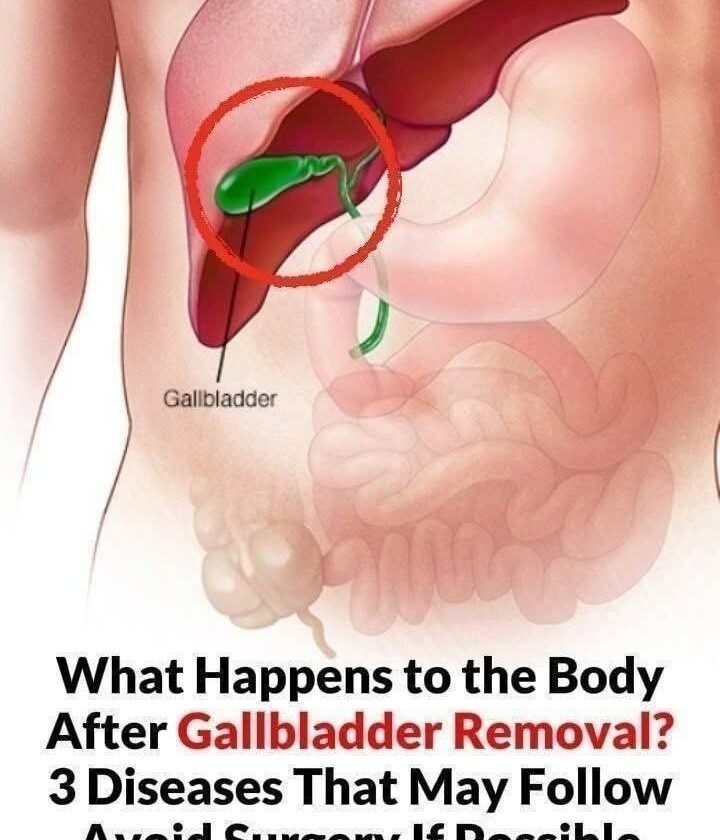
The headline “avoid surgery when possible” is too broad. Gallbladder removal (cholecystectomy) is a common and generally safe treatment when gallstones are causing repeated attacks, inflammation, or bile-duct complications. People can live normally without a gallbladder.
N
NIDDK
+1
Three possible problems after surgery are:
Diarrhea or more frequent/looser stools — bile flows continuously into the intestine rather than being stored in the gallbladder. This is usually temporary, although some people have persistent symptoms.
N
NIDDK
Persistent digestive symptoms — some people develop abdominal discomfort, bloating, indigestion, nausea, or diarrhea, sometimes referred to as post-cholecystectomy syndrome. These symptoms can also have causes unrelated to the surgery.
N
nhs.uk
Surgical complications — uncommon but potentially serious complications include bile-duct injury, bile leakage, infection, bleeding, blood clots, or a retained gallstone in a bile duct.
N
nhs.uk
Should you avoid the operation?
Not simply because you’re worried about these possibilities. If gallstones are causing significant symptoms or acute cholecystitis, avoiding recommended treatment can allow further attacks or serious complications such as bile-duct infection or pancreatitis.
N
NIDDK
+1
On the other hand, silent gallstones that cause no symptoms often don’t require surgery.
N
NIDDK
If you’re considering gallbladder surgery, the right question is “What is my specific risk of surgery versus the risk of leaving my gallbladder problem untreated?” Your surgeon can answer that based on your symptoms, scans, overall health, and the reason surgery has been recommended.
N
N
Sources