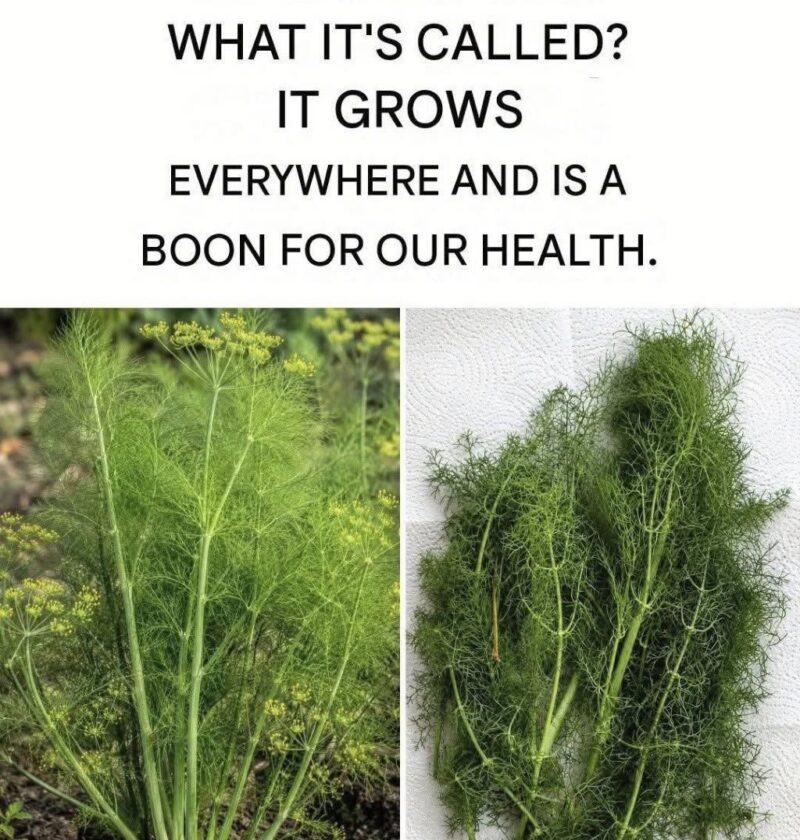
Wild Fennel: An Aromatic Plant Rich in Properties
Wild fennel (Foeniculum vulgare) is a fragrant plant that has been used for centuries in cooking and traditional remedies. It has a sweet, anise-like aroma and is valued for its seeds, leaves, stems, and flowers.
Potential benefits of wild fennel:
🌿 Supports digestion
- Fennel seeds are traditionally used after meals to help with bloating, gas, and digestive discomfort.
- Its aromatic compounds may help relax the digestive tract.
🌿 Contains antioxidants
- Wild fennel contains plant compounds such as flavonoids and phenolic compounds that help protect cells from oxidative stress.
🌿 May have anti-inflammatory properties
- Some laboratory studies suggest fennel compounds may influence inflammation pathways, though more research is needed to understand effects in humans.
🌿 May support respiratory comfort
- Fennel has traditionally been used in herbal preparations for soothing coughs and throat irritation.
🌿 Adds flavor without extra salt or sugar
- The leaves and seeds can be used to season fish, vegetables, soups, breads, and teas.
Ways to use it:
- Add chopped young leaves to salads, sauces, or cooked dishes.
- Use dried seeds as a spice or make a mild herbal infusion.
- Use the flowers and tender parts for flavoring.
Safety notes:
- Wild fennel is generally considered safe as a food ingredient.
- Concentrated fennel oils or large medicinal doses may not be suitable for everyone, especially during pregnancy, with hormone-sensitive conditions, or if taking certain medications.
- Correct plant identification is important when foraging, as some wild plants can resemble fennel but are unsafe.
Wild fennel is best viewed as a flavorful culinary herb with potential health-supporting properties—not as a replacement for medical treatment.