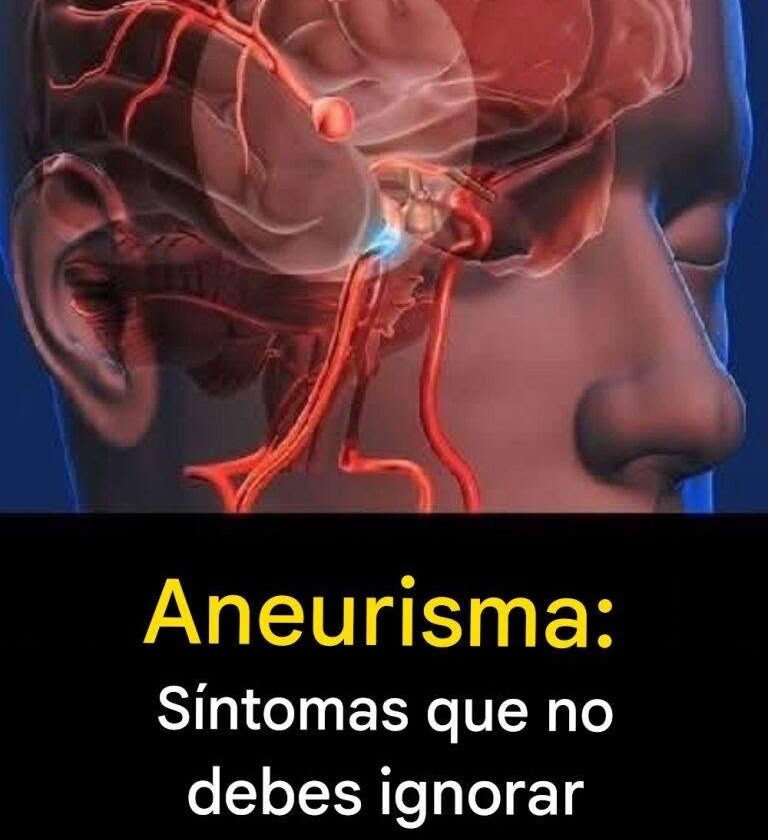
Aneurysm: Signs You Shouldn’t Ignore
An aneurysm is a weakened area in the wall of a blood vessel that bulges or enlarges. Some aneurysms cause no symptoms and are discovered during tests for other reasons, but a ruptured aneurysm can be a medical emergency.
Warning Signs That May Need Urgent Attention
1. Sudden, severe headache
A sudden “worst headache of your life,” especially one that reaches maximum intensity quickly, can be a warning sign of a brain aneurysm rupture.
2. Sudden weakness, numbness, or trouble speaking
Possible signs include:
- Weakness or numbness on one side of the body
- Difficulty speaking or understanding speech
- Confusion
- Loss of coordination
These symptoms require emergency medical evaluation.
3. Sudden vision changes
Blurred vision, double vision, loss of vision, or a drooping eyelid can occur with some brain aneurysms.
4. Severe chest, back, or abdominal pain
A rupturing aneurysm in the aorta (the body’s largest artery) may cause:
- Sudden, intense chest or back pain
- Severe abdominal pain
- A feeling of tearing or ripping pain
- Dizziness, fainting, or weakness
5. A pulsating feeling or lump
Some abdominal aortic aneurysms may cause a noticeable pulsing sensation in the abdomen, though many have no symptoms.
When to Seek Emergency Help
Call emergency services immediately for:
- Sudden severe headache
- Fainting or collapse
- Sudden neurological symptoms (face drooping, arm weakness, speech difficulty)
- Sudden severe chest, back, or abdominal pain
Risk Factors for Aneurysms
Risk can be higher with:
- Smoking
- High blood pressure
- Older age
- Family history of aneurysms
- Certain inherited conditions
- High cholesterol or vascular disease
Prevention and Monitoring
Helpful steps include:
- Managing blood pressure
- Avoiding tobacco
- Maintaining a healthy lifestyle
- Getting recommended screenings if you are at higher risk
Aneurysms can sometimes be silent, so knowing your personal risk factors and discussing concerns with a healthcare professional is important. If symptoms suggest a possible rupture, treat it as an emergency.